
Cavity Treatment & Prosthodontics in Korea
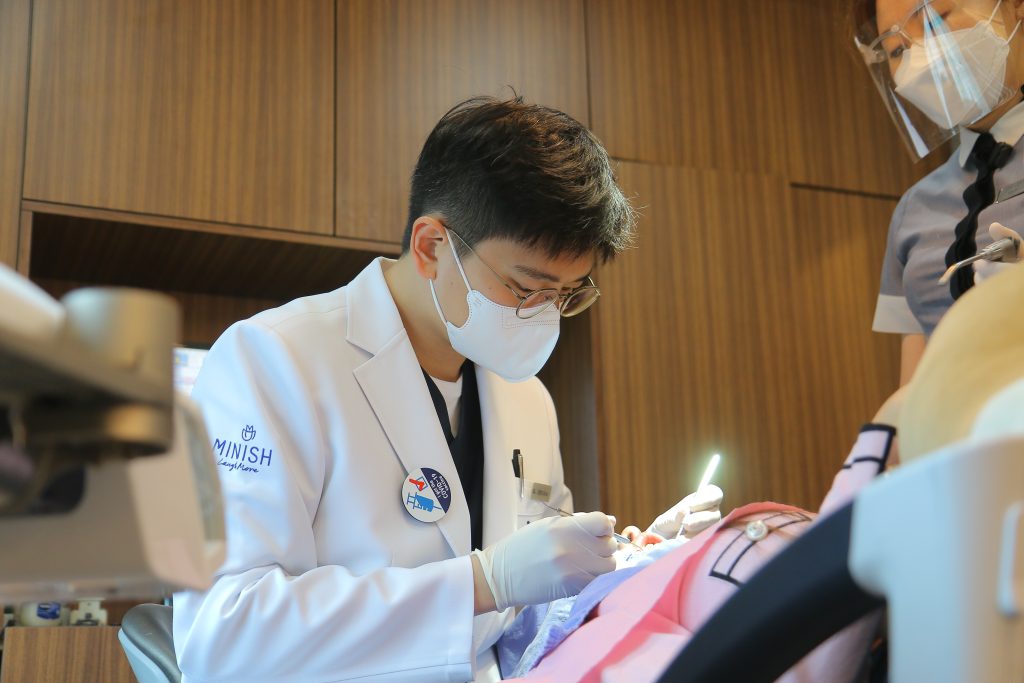
Whether cavities, root canal therapy, periodontal disease, or simply an accidents, MINISH has a solution. Prosthodontics restore the function and shape of teeth that have deteriorated or been damaged.
MINISH Prosthodontics
Ideal Candidates for Prosthodontic Treatment

Cavity Tooth Damage
Those who have severe tooth damage due to cavities

Dental Trauma
Those who have sustained damage to their teeth due to dental trauma

Previous Root Canal
Those who have previously received root canal treatment

Unable to Receive Implants
Those who are ineligible for dental implants due to poor periodontal structures
MINISH Prosthodontics
What Are the Symptoms of Cavities?
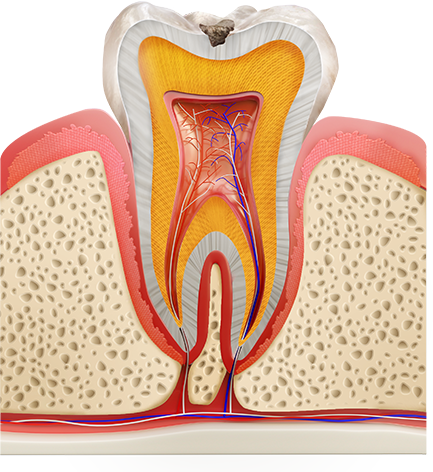
Stage 1
Enamel Cavity
Pain
No symptoms, zero pain
Cavity
Cavity/tooth decay only on enamel(the outer layer of the tooth)
Treatment
Regular checkups, dental filling
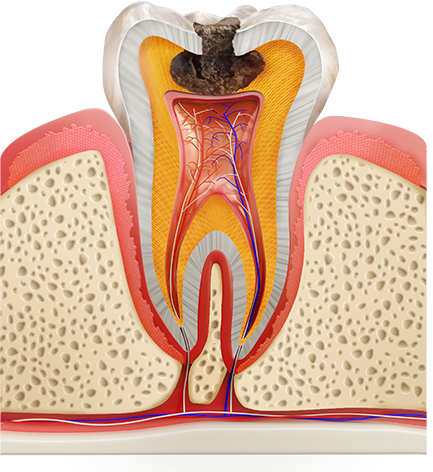
Stage 2
Dentin Cavity
Pain
Slight irritation when eating cold or sweet foods
Cavity
Cavities progress into the dentin layer
Treatment
Dental Inlays/Crowns
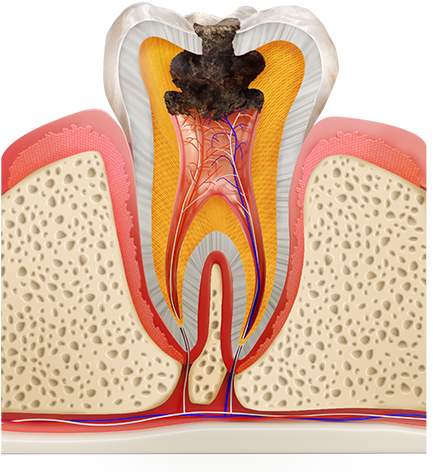
Stage 3
Pulpitis
Pain
A moderate amount of pain when eating hot food
Cavity
Cavities progress through dentin into the nerve
Treatment
Root canal therapy + Crowns
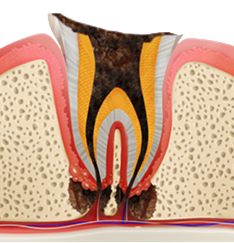
Stage 4
Neural Necrosis
Pain
There may or may not be pain
Cavity
Orthodontic structure is necrotic, and inflammation progresses to the root canal. In severe cases, teeth may wobble due to inflammation.
Treatment
Dental implants or bridges
MINISH Prosthodontics
Treatment Options for Cavities
MINISH offers a wide array of treatments to address all kinds of cavity issues.
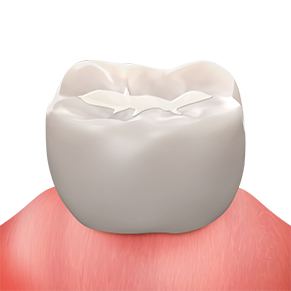
METHOD 1
Resin
If the security of the cavity is negligible, we can simply remove the cavity and fill it with dental fillings.
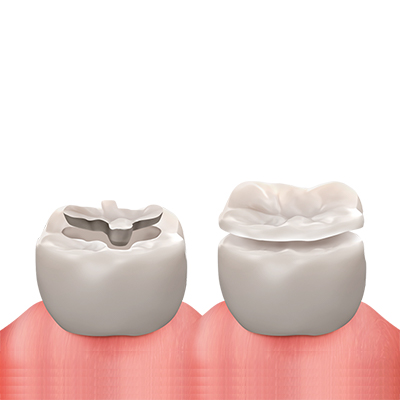
METHOD 2
Inlay & Onlay
Creating external fillings and attaching them directly to the teeth
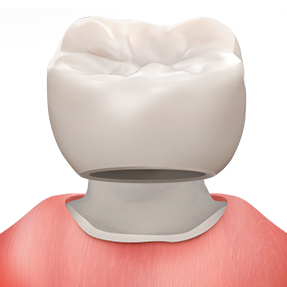
METHOD 3
Crowns
Covering the entire head of the tooth in the event of extensive or irreversible tooth damage
METHOD 4
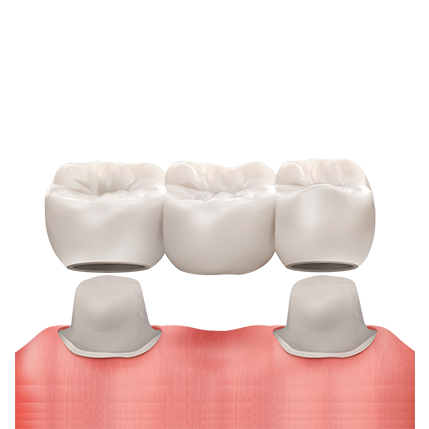
Bridge
An artificial substitute to recover the function of lost teeth using the remaining teeth; prosthodontics replace lost teeth by covering lost teeth on both sides.

METHOD 5
Molar MINISH
Using Molar MINISH Veneers, we only fill damaged areas, preserving as much of the tooth as possible.
MINISH Prosthodontic Solutions

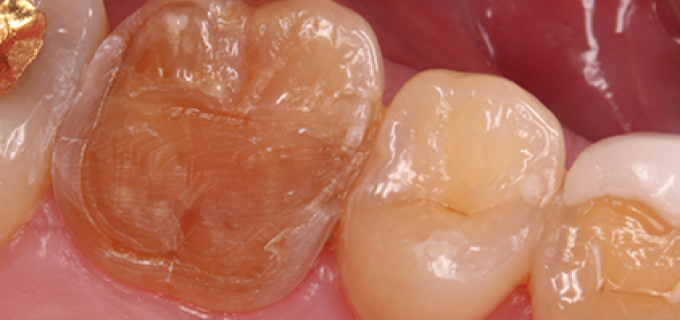
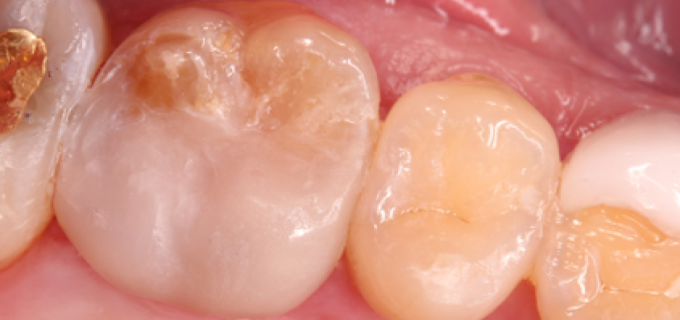
MINISH Molar Veneers
When extensive molar damage occurs, crowns are often recommended, but they can require unnecessary tooth reduction and may negatively affect gum health. At MINISH Dental Hospital, our Molar MINISH veneers offer a revolutionary alternative that minimizes tooth removal while preserving gum integrity. Specifically designed to repair and reinforce damaged molars, these durable veneers withstand significant chewing pressure, restoring both function and appearance so your back teeth continue to support a healthy, effective bite.
MINISH Bridge
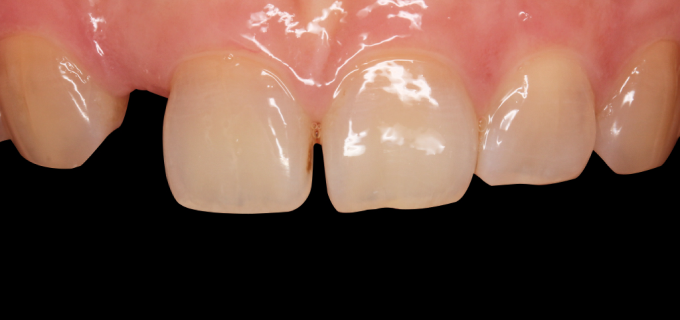
The MINISH Bridge is an efficient, aesthetic alternative for front-tooth replacement—ideal for those unable to receive implants—offering quick enhancement in under a week while preserving existing teeth and avoiding the extensive alterations required by traditional bridges. As a superior choice to six-month implants, this solution works by securely bridging the gap left by missing teeth and anchoring the veneer to the adjacent natural teeth, providing both functional stability and an aesthetically seamless result.
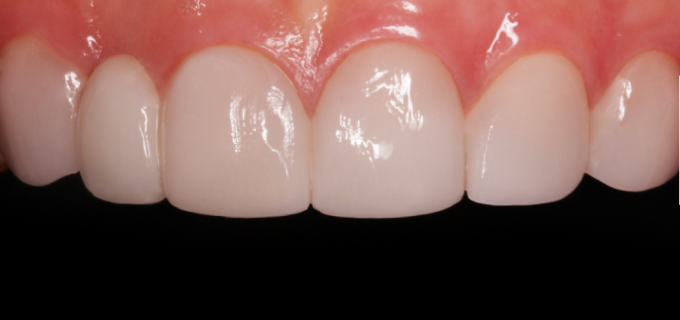
MINISH Wing Bridge
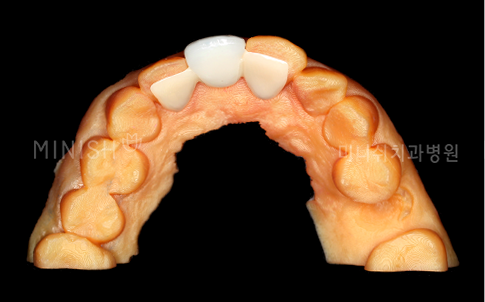
This method is used for people who have healthy teeth on either side of the missing tooth and who are reluctant to have their teeth shaved at all. The MINISH Wing Bridge fills the space of the lost tooth with a prosthesis and bonding the attached wing-shaped structures on the rear of the teeth on either side of the prosthetic tooth.
MINISH Bridge Veneers
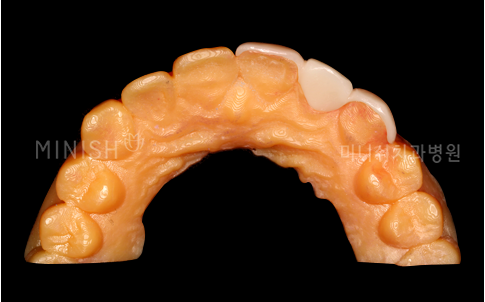
In cases where the adjacent teeth, in addition to the missing tooth, show wear, erosion, or decay and require enamel reconstruction, only the problematic areas are selectively removed. A MINISH veneer–type prosthesis is then fabricated as a single unit, connecting the artificial tooth (pontic) that replaces the missing tooth with the restorations covering the damaged portions of the adjacent teeth.
MINISH Prosthodontics
How Do Cavity Treatment and Prosthodontics Work at MINISH?

STEP 1
Oral Examination
We operate an oral examination system that allows early detection and treatment of cavities (including adjacent cavities) between teeth that are usually difficult to detect. We do this using state-of-the-art equipment such as the Curray pen C/Curray view C.

STEP 2
Painless Anesthesia
Contrary to popular belief, pain that occurs at dental clinics should not be normal. MINISH Dental Hospital ensures that patients do not feel any kind of pain during treatment. Experienced medical personnel go through three to five steps of anesthesia to reduce patient discomfort.

STEP 3
Root Canal Treatment
Root canal treatment removes, sterilizes, and replaces the nerves within infected teeth to deal with cavities and dental trauma. MINISH Dental Hospital does not conduct root canal treatment recklessly. Since healthy nerves do not require root canal treatment, root canal treatment is performed only if the nerves within the teeth are damaged entirely.
MINISH Root Canal Treatment
At MINISH, root canal surgery is only recommended by our doctors if it is absolutely necessary. Our doctors will first attempt to solve cavity issues by other means and revert to performing a root canal only as a last resort.
How is a Root Canal Done?
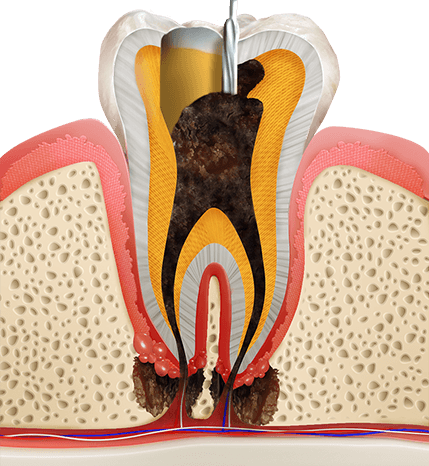
STEP 1
Damaged Root Canal
The tooth is affected by deep decay or trauma. Bacteria have reached the pulp, causing infection and inflammation that can spread to the bone around the root tip.
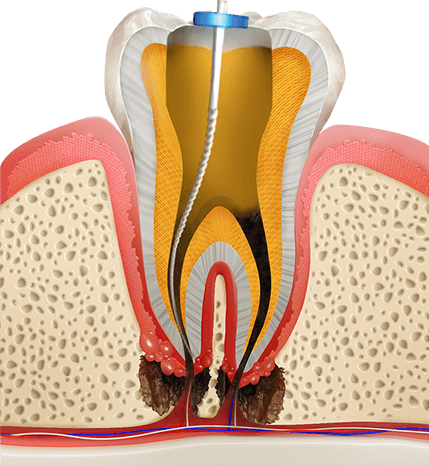
STEP 2
Treat Pulpitis
An access opening is made in the tooth, and the inflamed or infected pulp tissue is carefully removed. The dentist cleans and disinfects the root canals to eliminate bacteria and relieve pain.
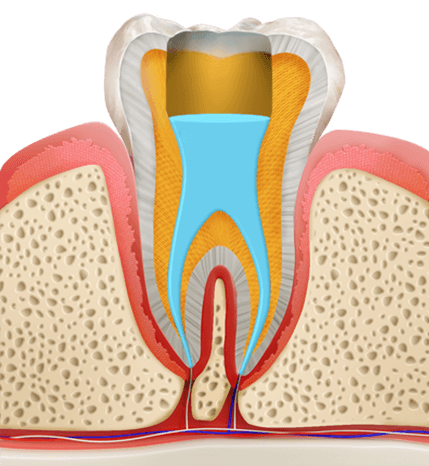
STEP 3
Root Canal Removal
All remaining infected tissue inside the root canals is completely removed. The canals are shaped and thoroughly cleaned to prepare them for filling, preventing reinfection.
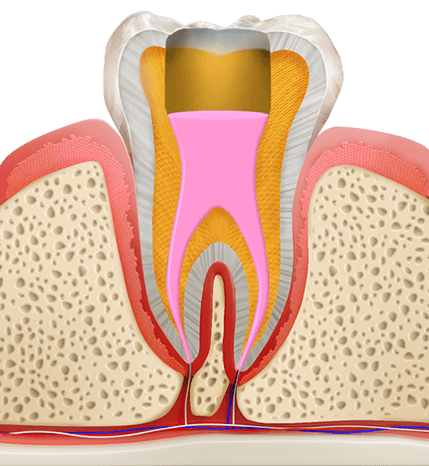
STEP 4
Root Canal Restoration
The cleaned canals are filled with a biocompatible material to seal them. The tooth is then restored (often with a filling or crown) to protect it, restore strength, and allow normal function.
When is Root Canal Treatment Needed?
Knowing when you need root canal treatment can be difficult, but there are some clear symptoms that could point to inflammation or damage to the root canal.
Here at MINISH Dental Hospital our highly-experienced doctors are able to expertly treat root canal concerns and other tooth decay issues, and can offer state-of-the-art prosthodontic solutions for all post-root canal needs.
Cavity Treatment and Prosthodontics
in One Day at MINISH
At MINISH Dental Hospital, dental cavities can be treated in just one day due to our digital equipment and staff volume.

STEP 1
Register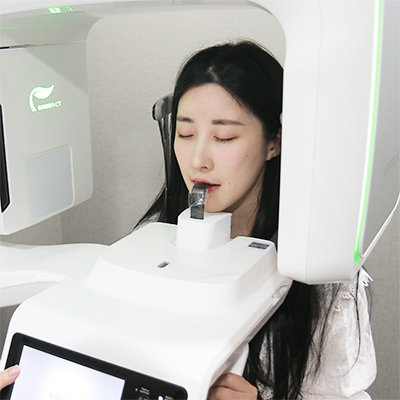
STEP 2
Oral Examination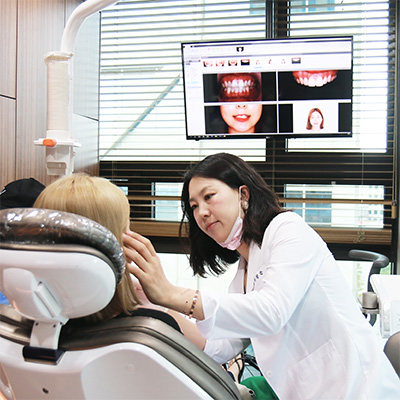
STEP 3
Diagnostics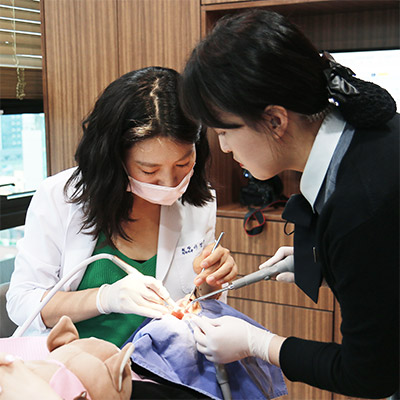
STEP 4
Anesthesia and Cavity Removal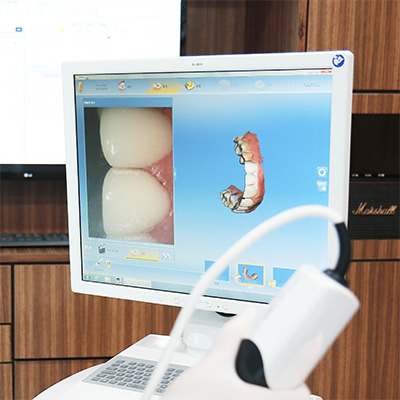
STEP 5
Designing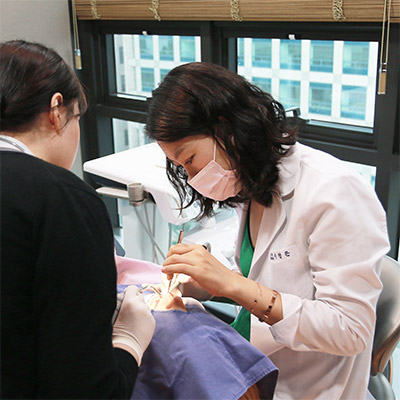
STEP 6
Prosthodontics Treatment
Frequently Asked Questions
What is prosthodontic treatment at MINISH Dental Hospital?
Prosthodontic treatment at MINISH Dental Hospital focuses on restoring the function and shape of teeth that have deteriorated or been damaged due to cavities, root canal therapy, periodontal disease, or accidents. This includes various procedures tailored to address specific dental issues.
Who are ideal candidates for MINISH Cavities and Prosthodontics?
Ideal candidates include individuals with severe tooth damage due to cavities, those who have sustained dental trauma (fractures), patients who have undergone root canal treatment, and individuals experiencing difficulties with dental implants due to poor periodontal structures.
What are the stages of cavity progression and their treatments?
Cavities progress through four stages:
- Enamel Cavity: No symptoms; decay is limited to the enamel. Treatment involves regular checkups and dental fillings.
- Dentin Cavity: Slight irritation when consuming cold or sweet foods; decay reaches the dentin layer. Treatment includes dental inlays or crowns.
- Pulpitis: Moderate pain when eating hot foods or during daily activities; decay affects the nerves. Treatment requires root canal therapy and crowns.
- Pulpitis/Neural Necrosis: Possible pain; inflammation progresses to the root canal, potentially causing teeth to loosen. Treatment options are dental implants or bridges.
What treatment options does MINISH offer for cavities?
MINISH offers a variety of treatments for cavities, including:
- Resin Fillings: Suitable for minor cavities, involving removal of decay and filling with dental resin.
- Inlays & Onlays: External fillings created and attached directly to the teeth.
- Crowns: Covering the entire tooth head for extensive or irreversible damage.
- Posterior MINISH: Covering only the damaged areas using MINISH technology.
- Bridges: Artificial substitutes to restore the function of lost teeth using adjacent teeth.
What is the MINISH Cavity Prosthodontics System?
The MINISH Cavity Prosthodontics System includes:
- Oral Examination: Early detection and treatment of cavities using advanced equipment like Curray pen C and Curray view C.
- Painless Anesthesia: Multi-step anesthesia to ensure patient comfort during procedures.
- Root Canal Treatment: Performed only when necessary, involving removal, sterilization, and replacement of infected nerves within teeth.