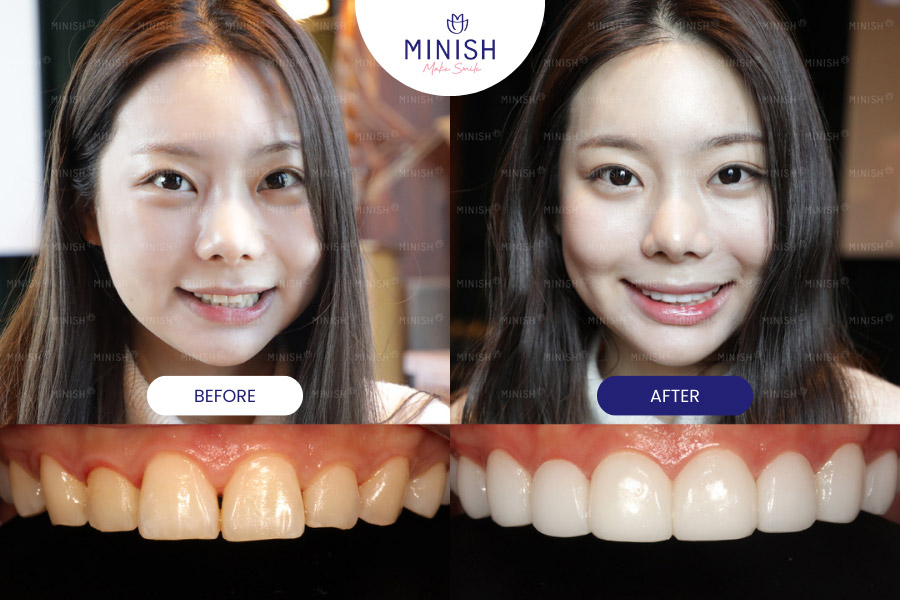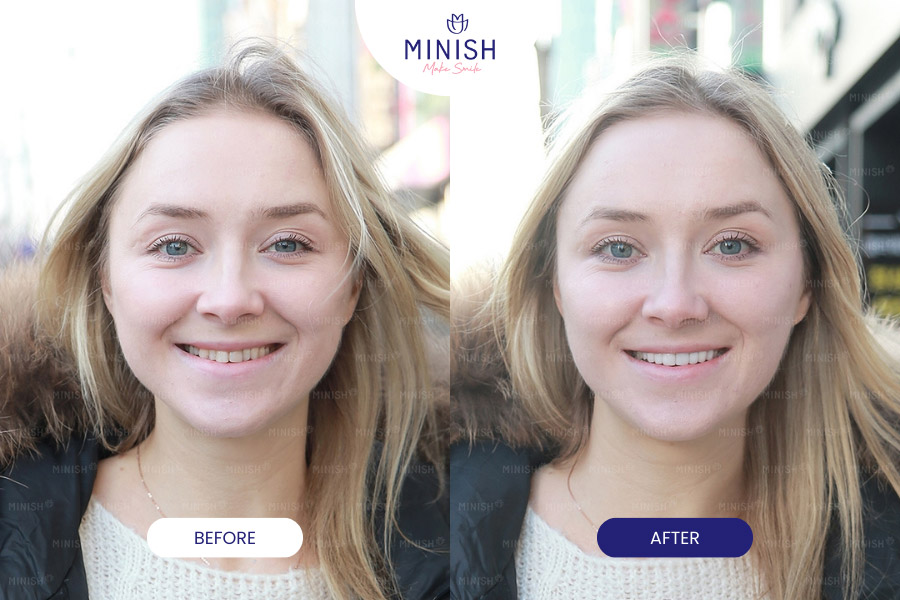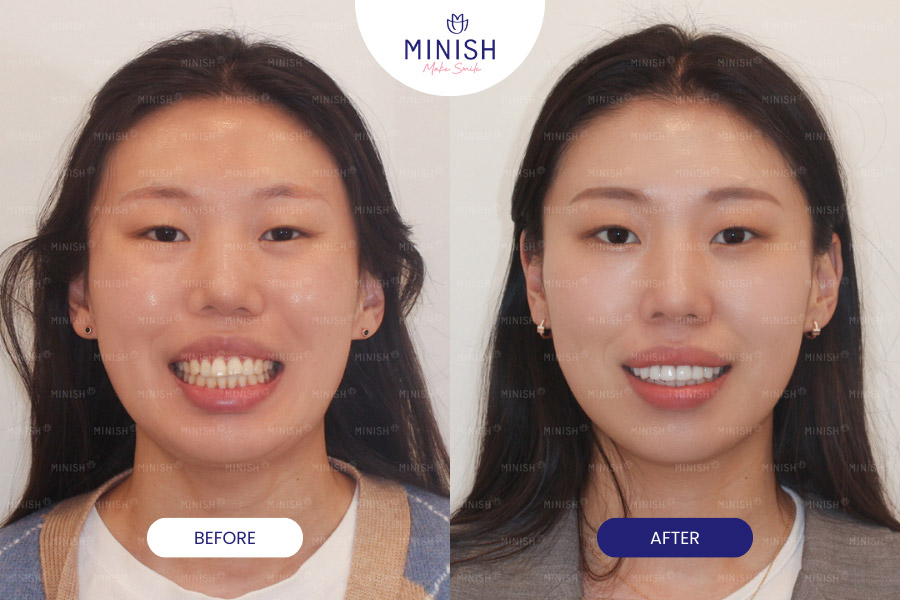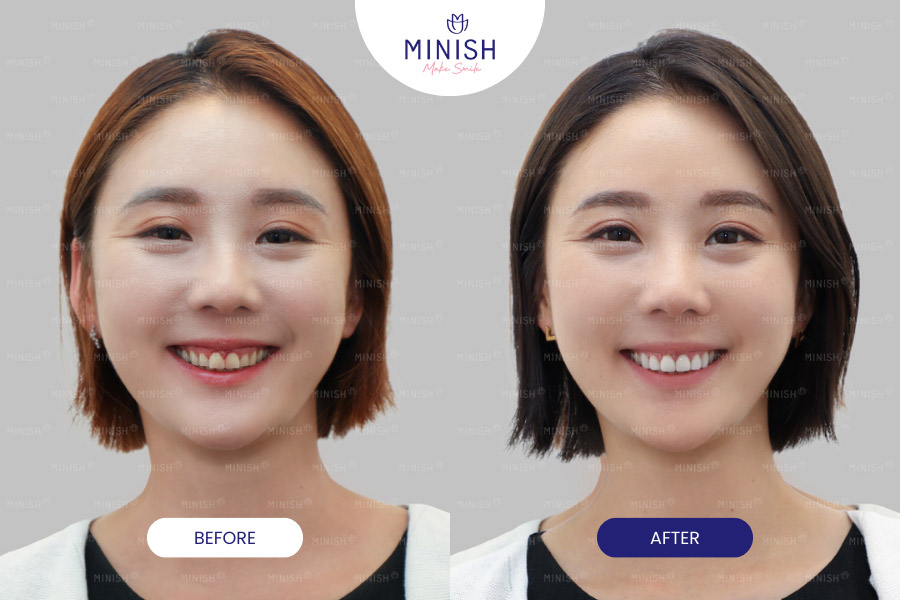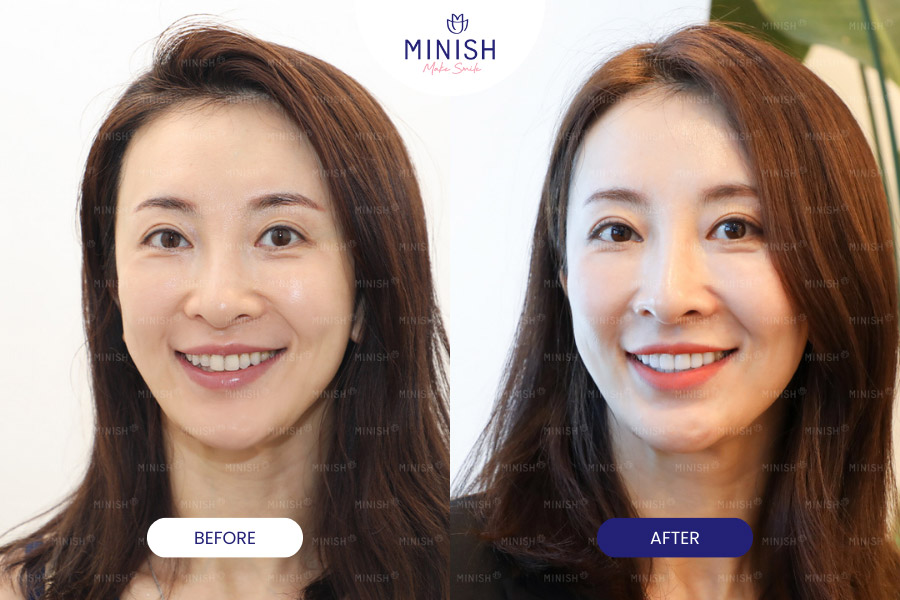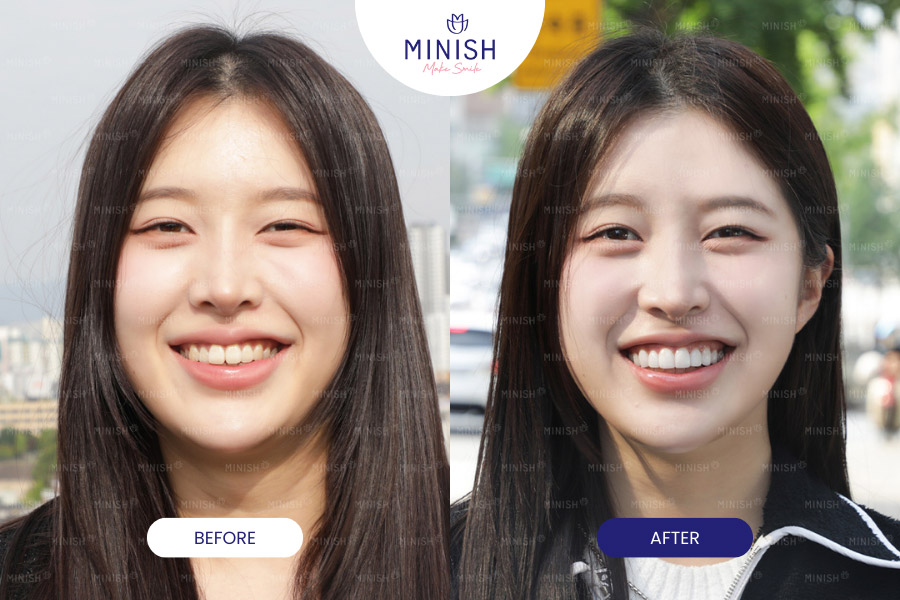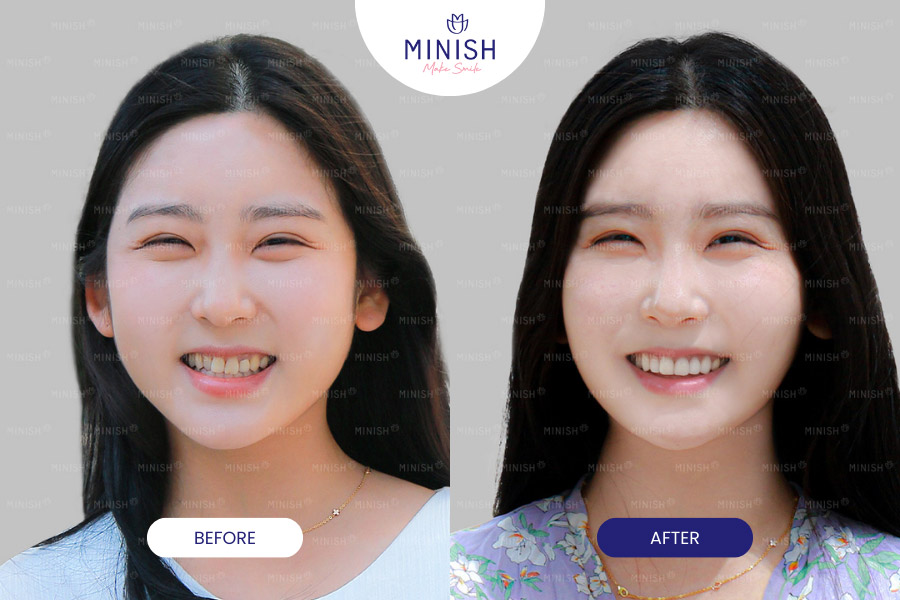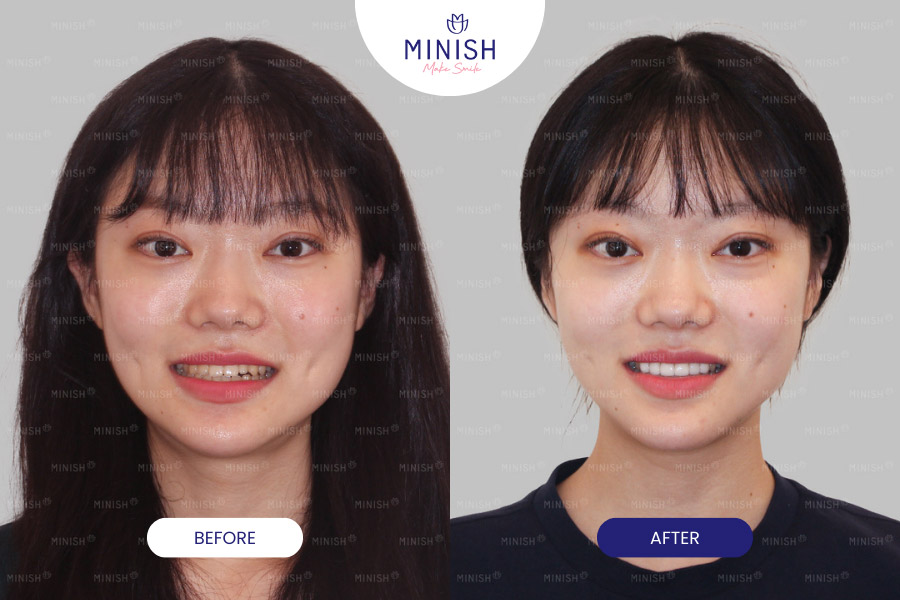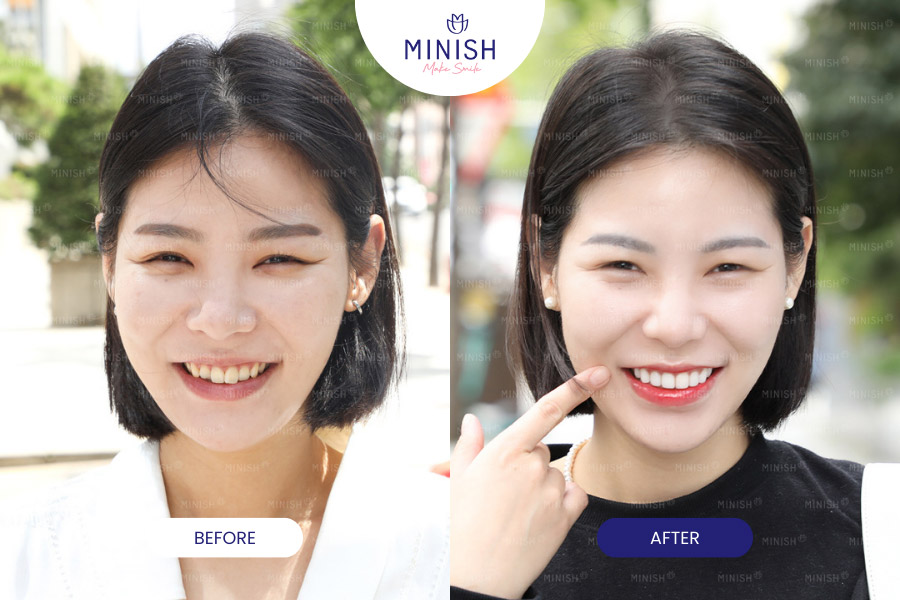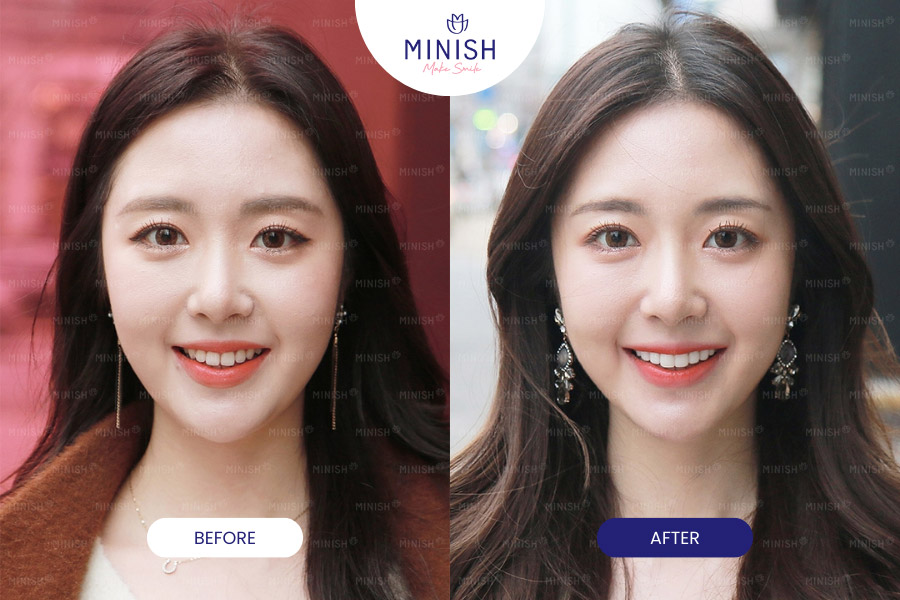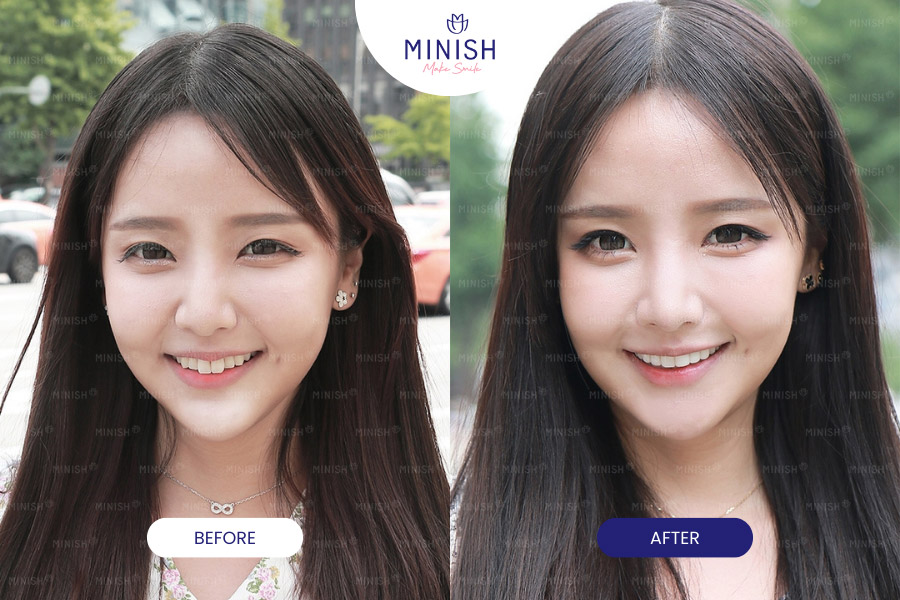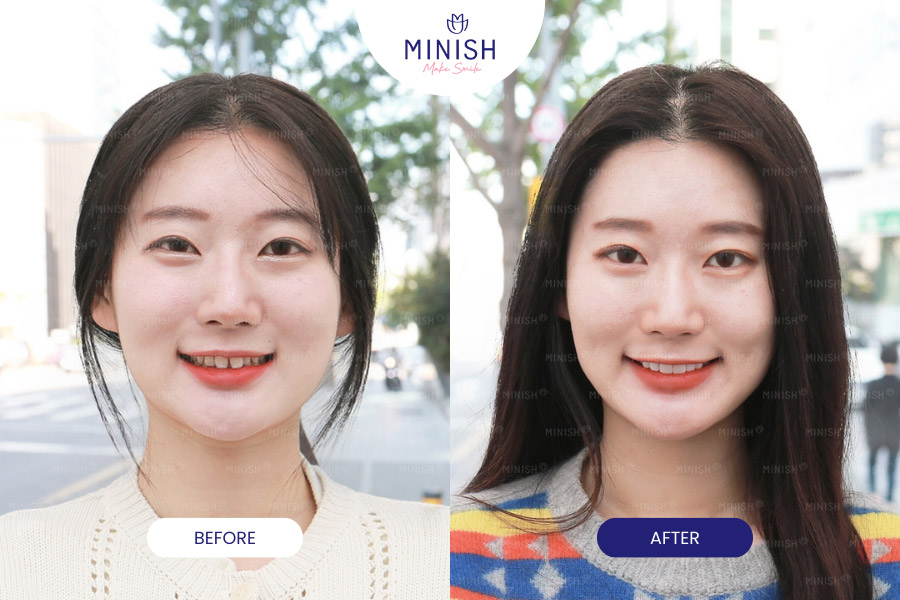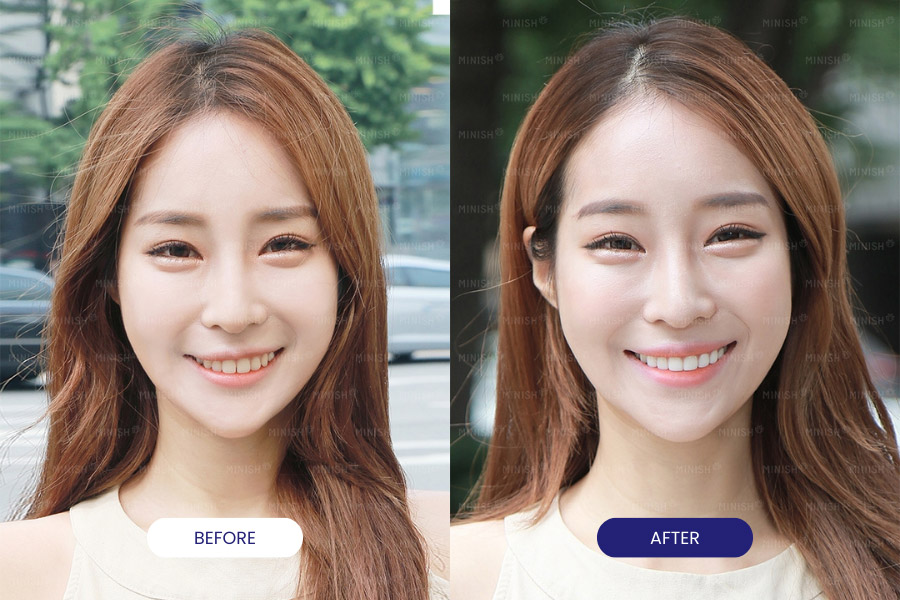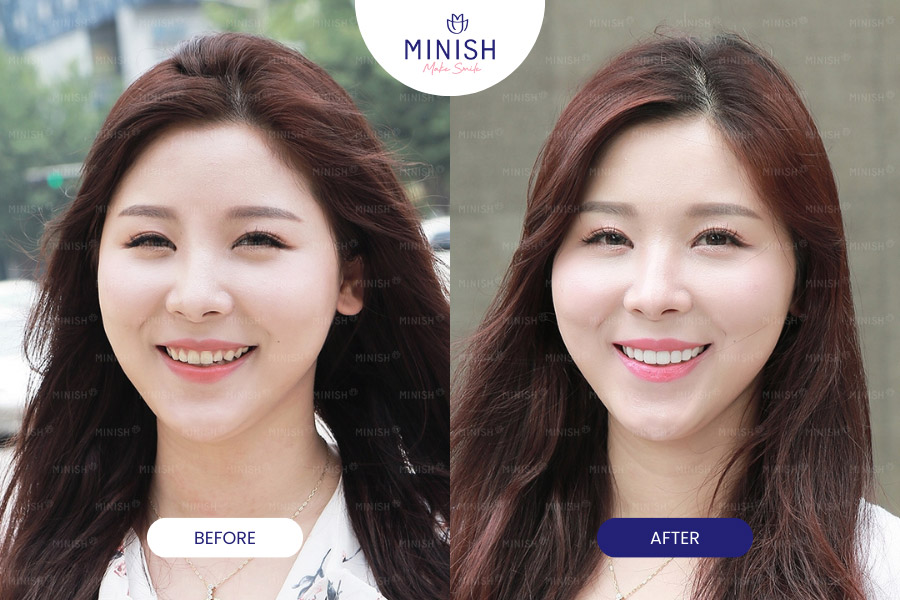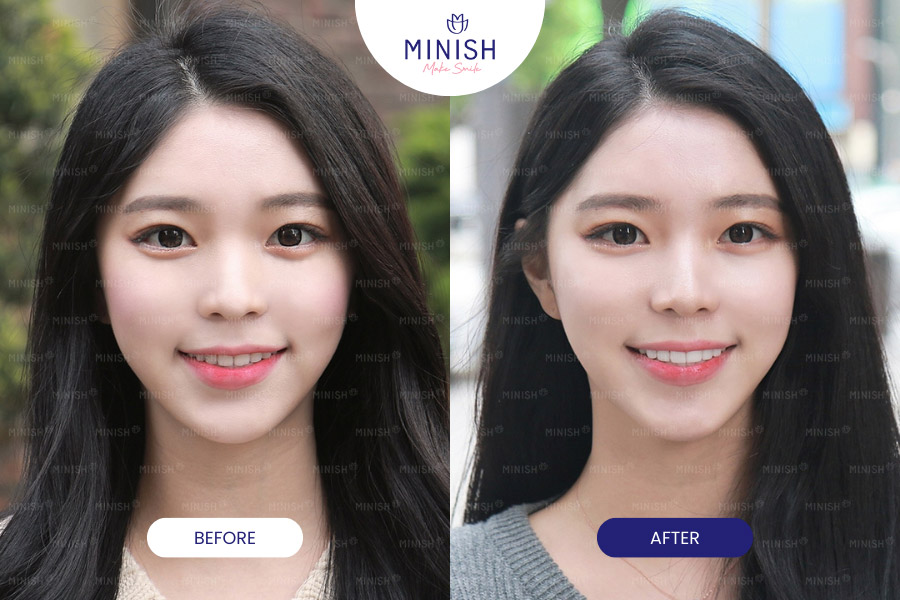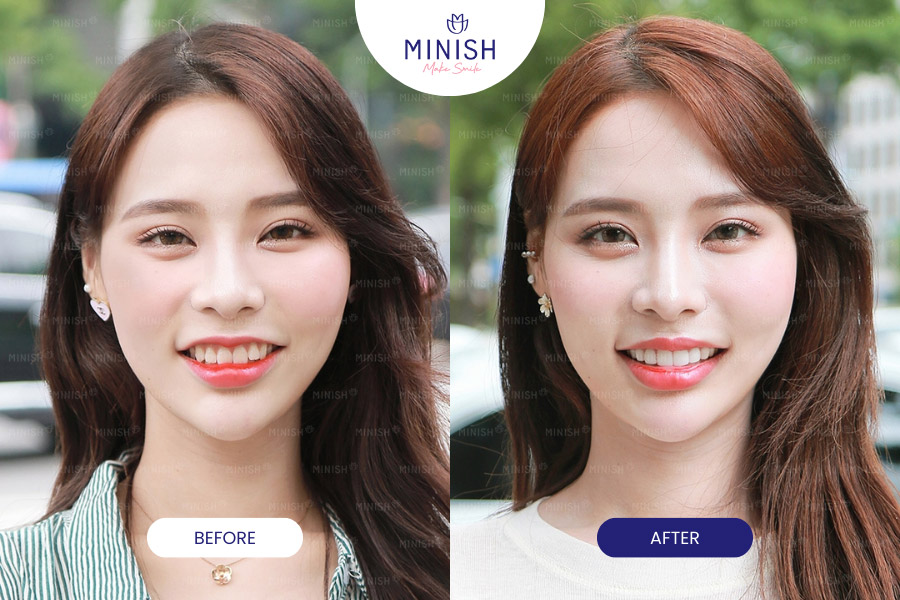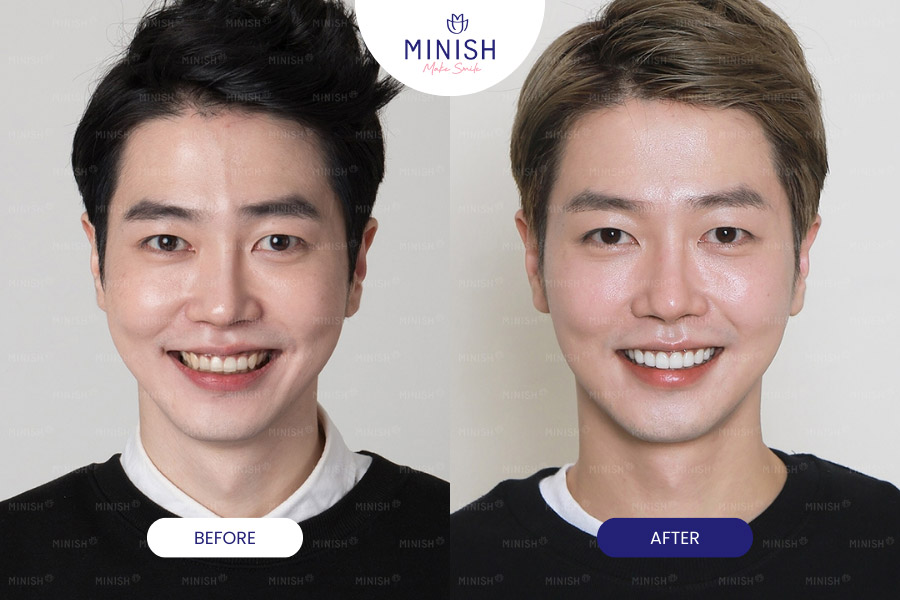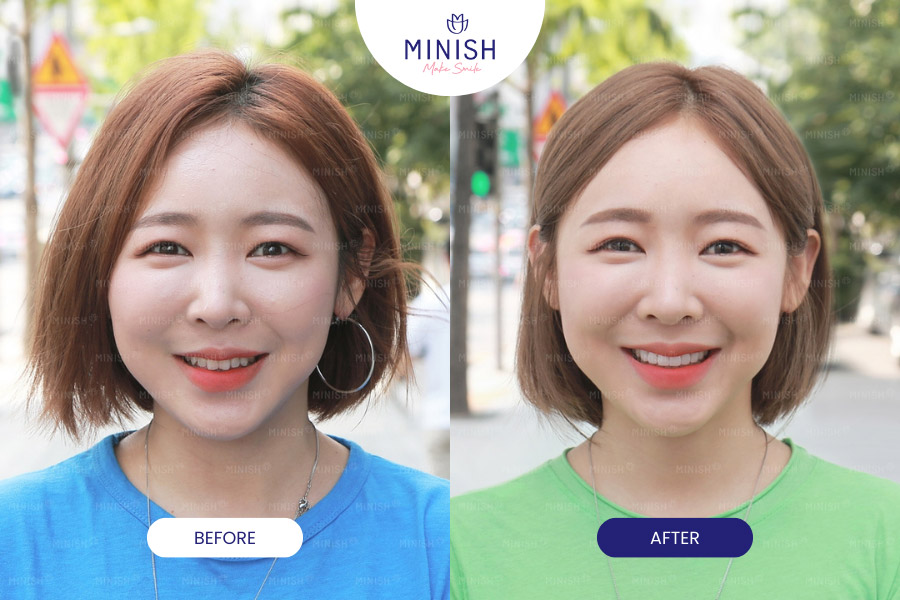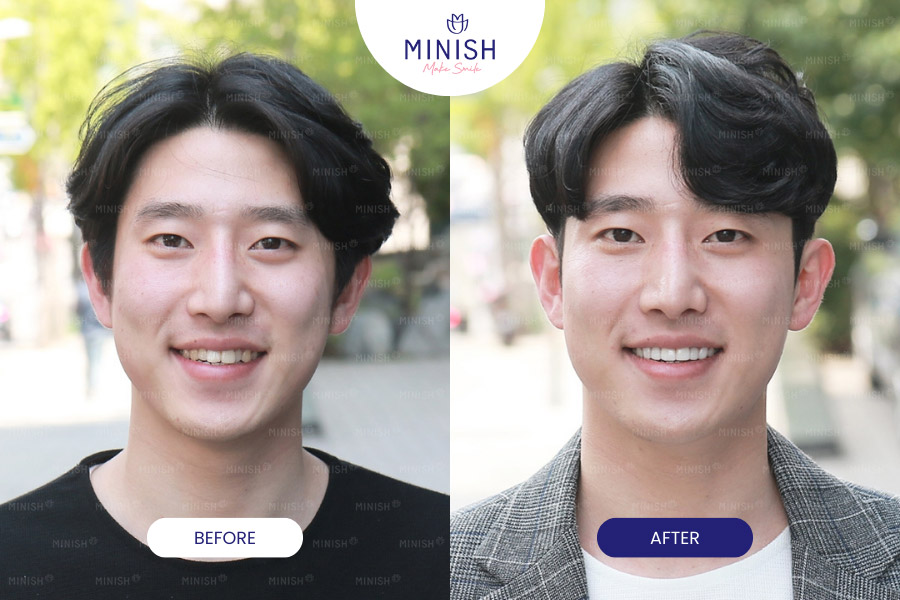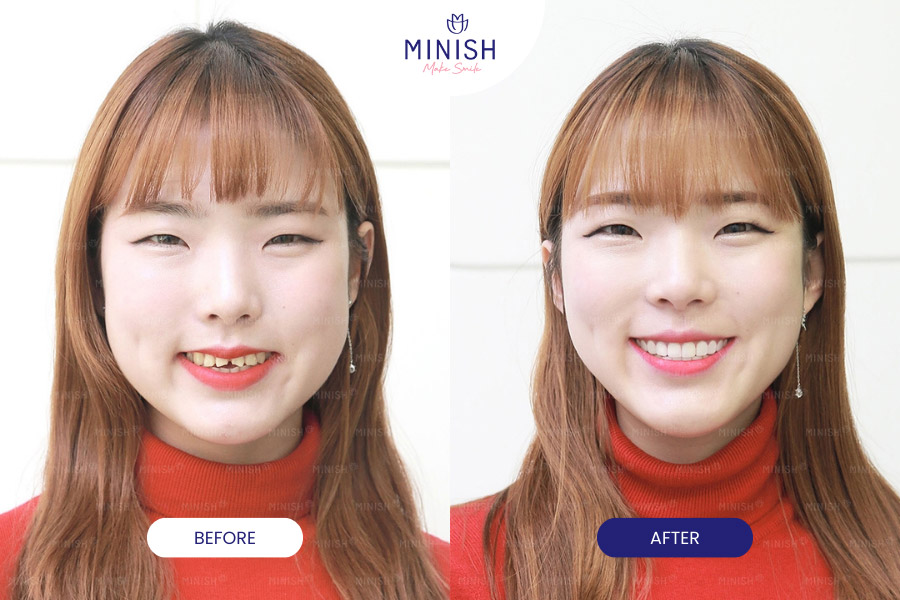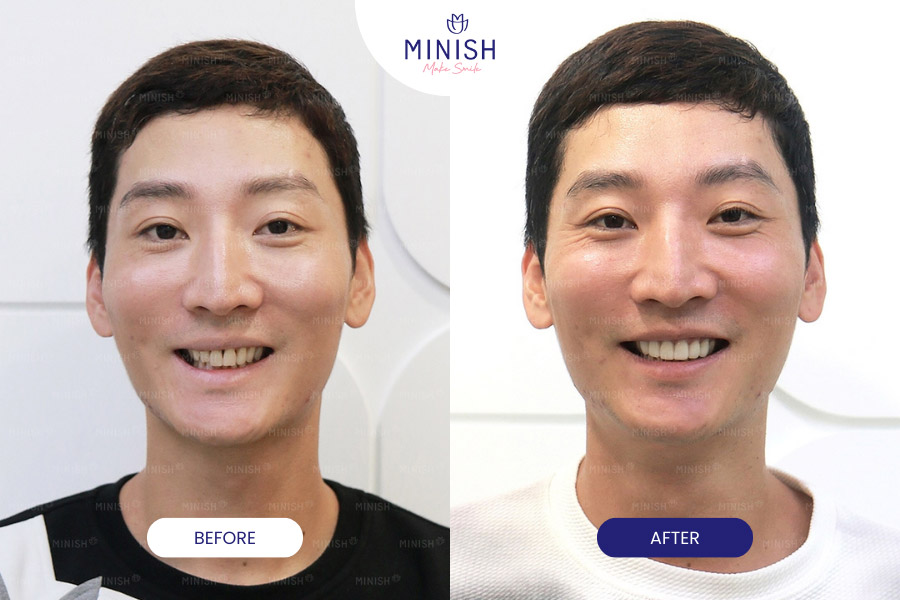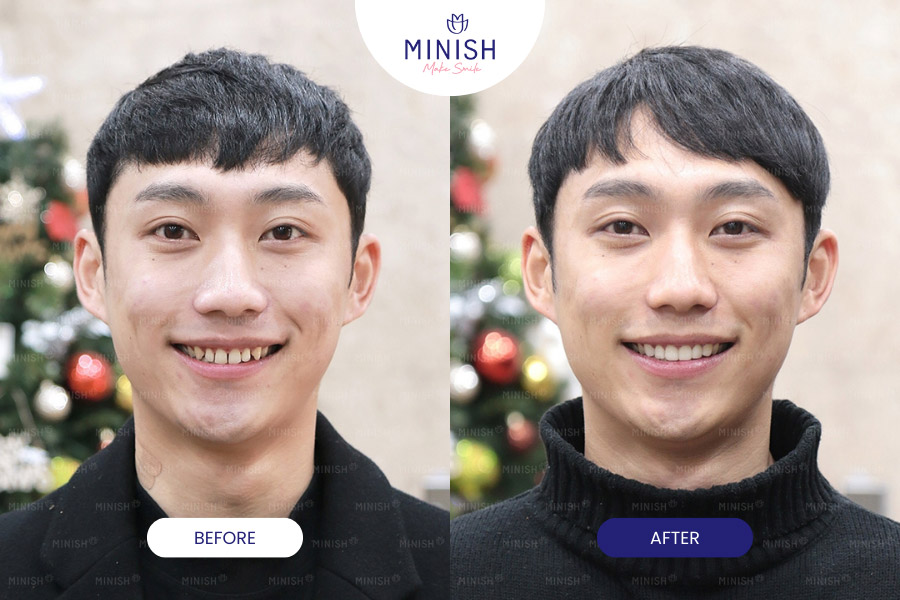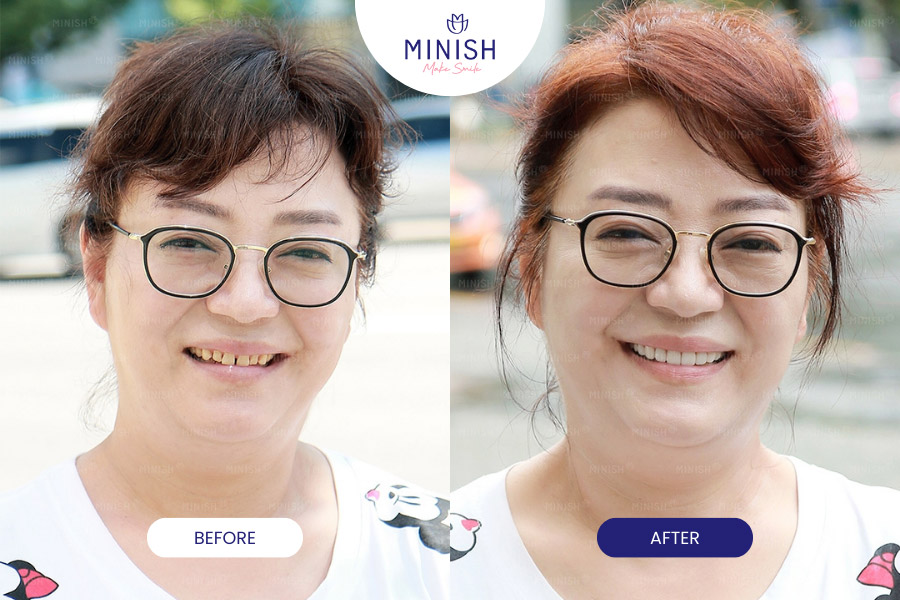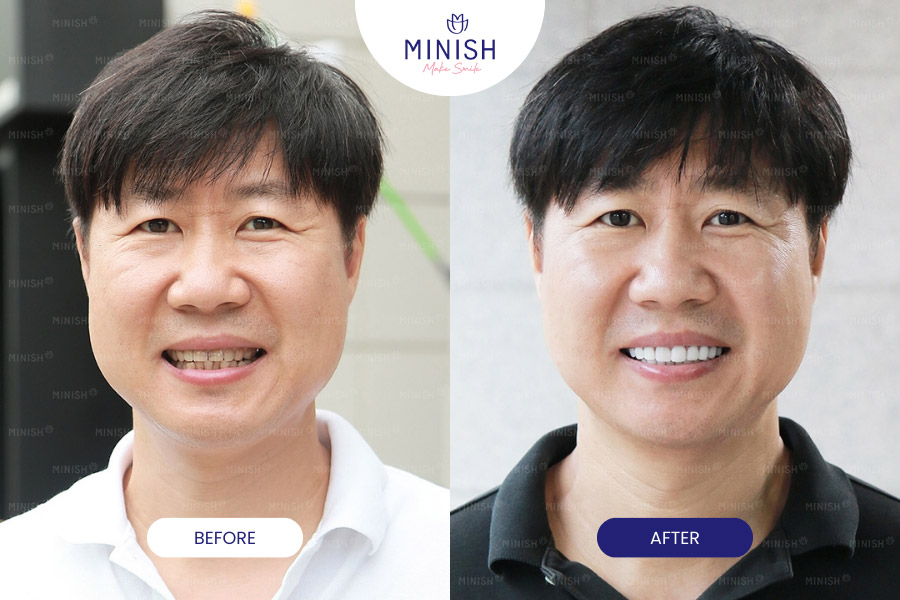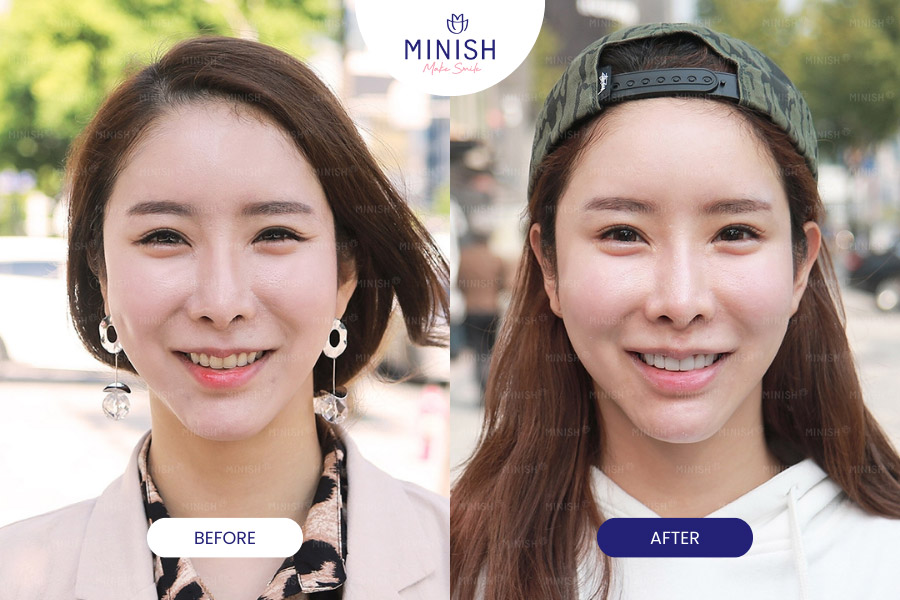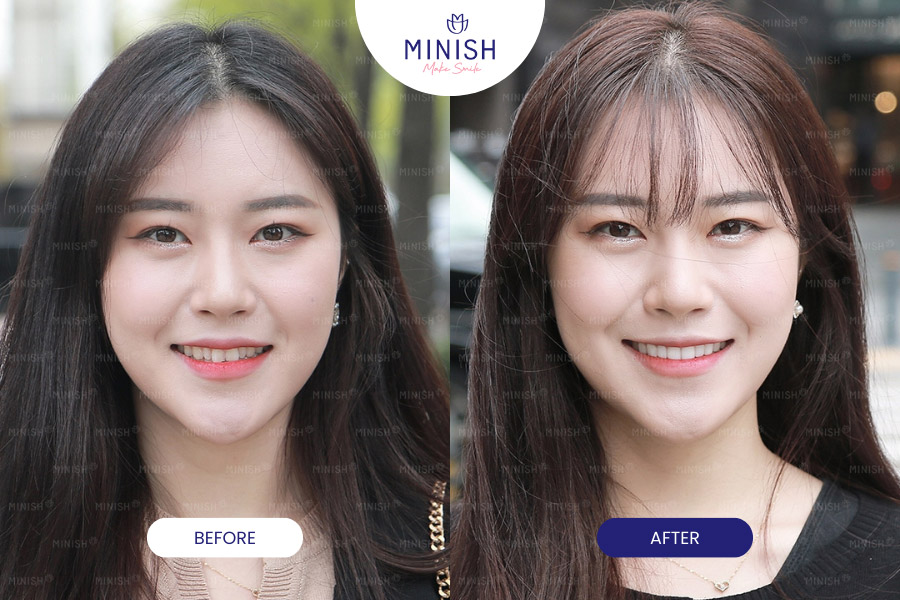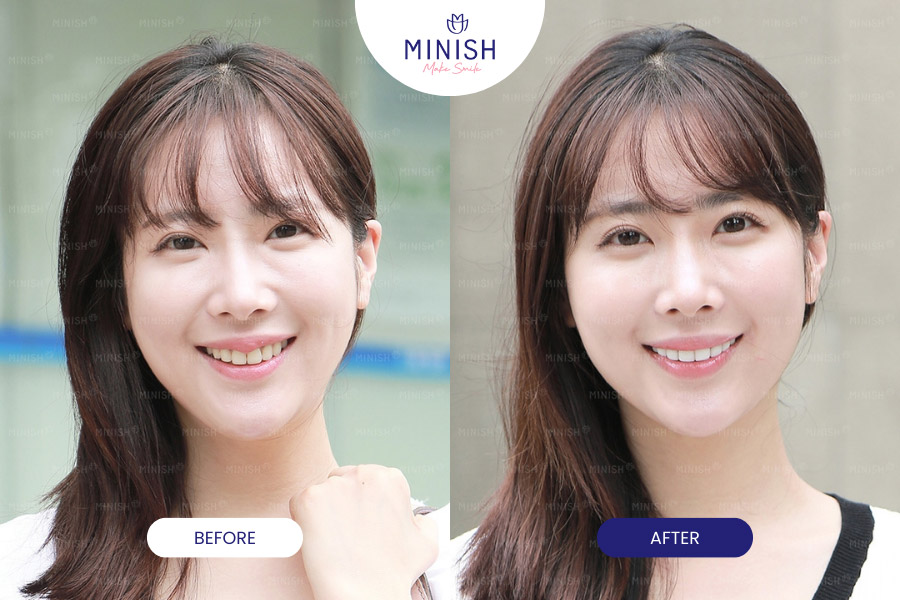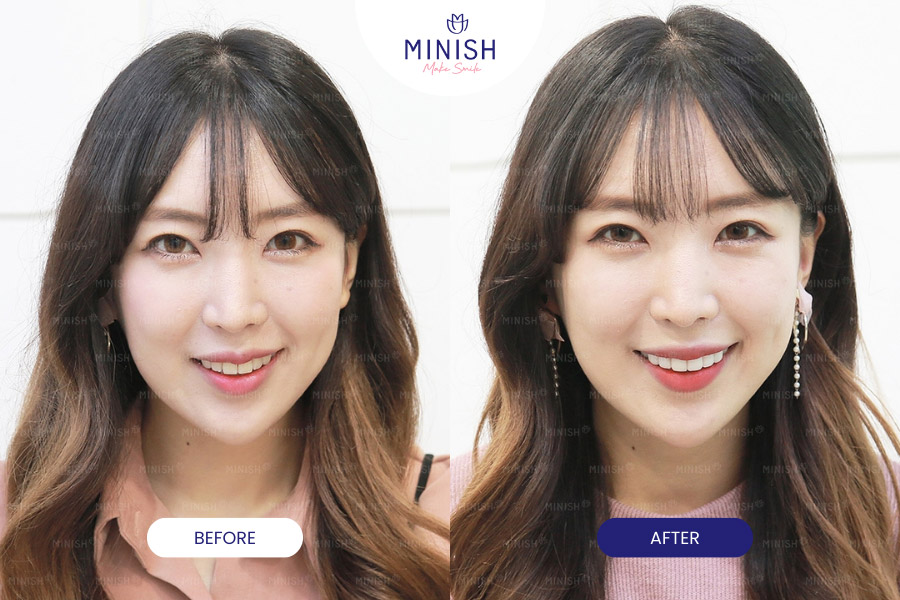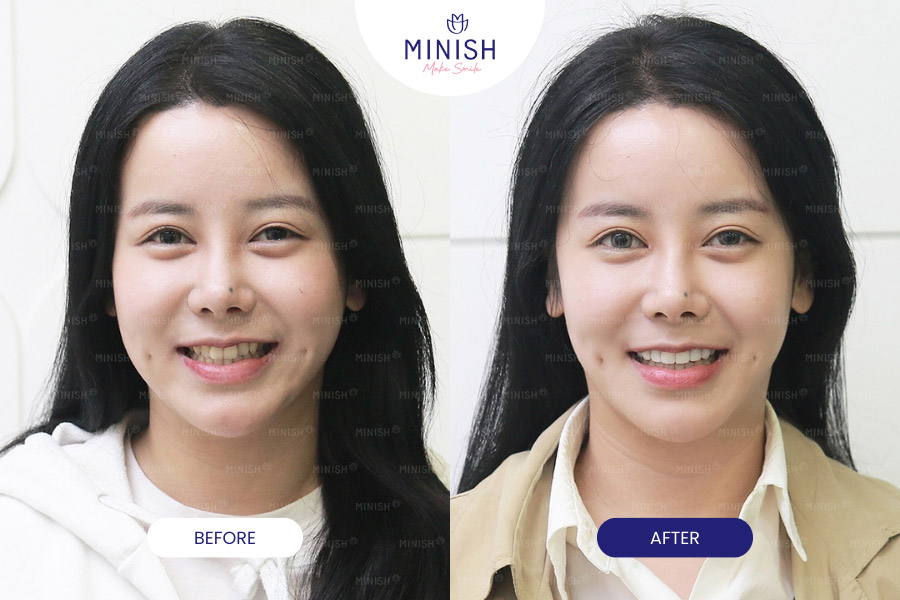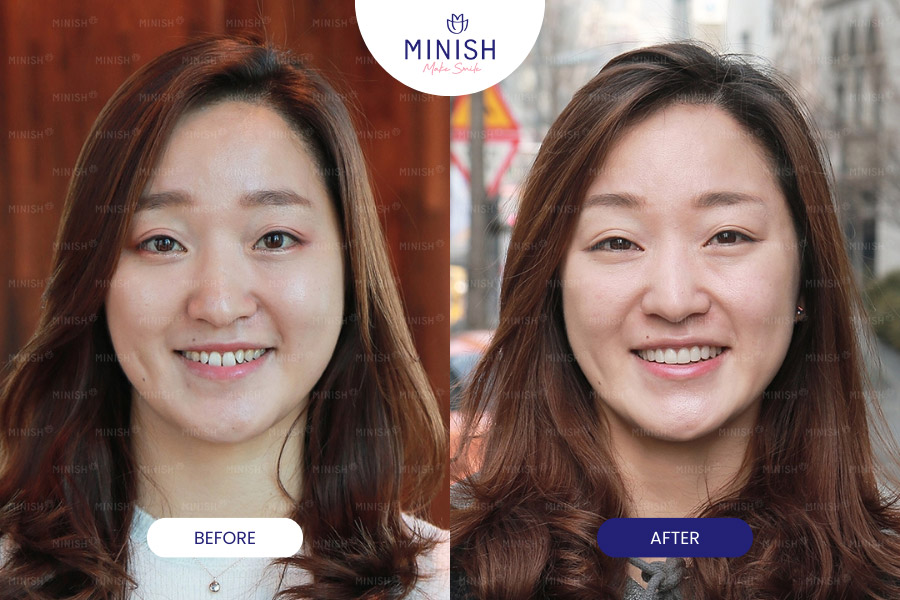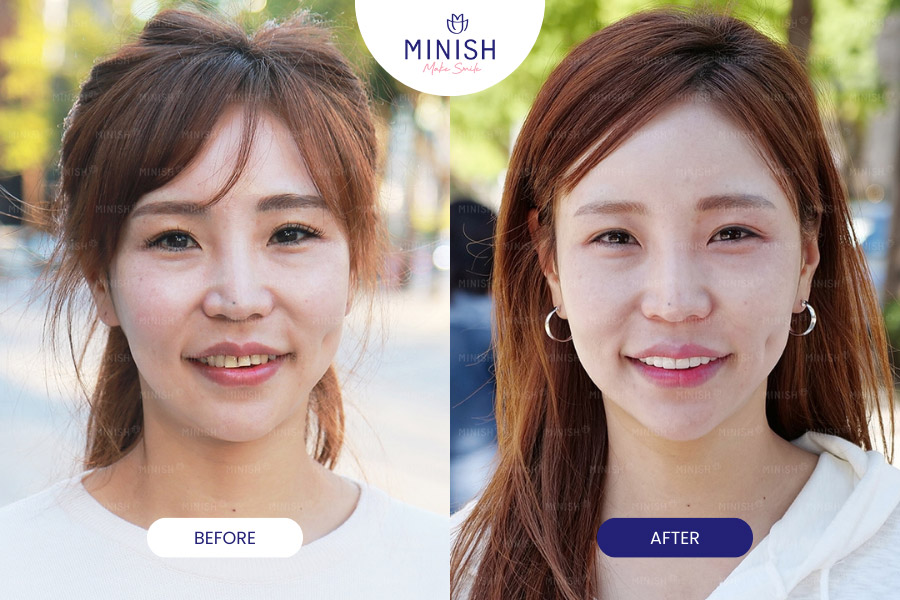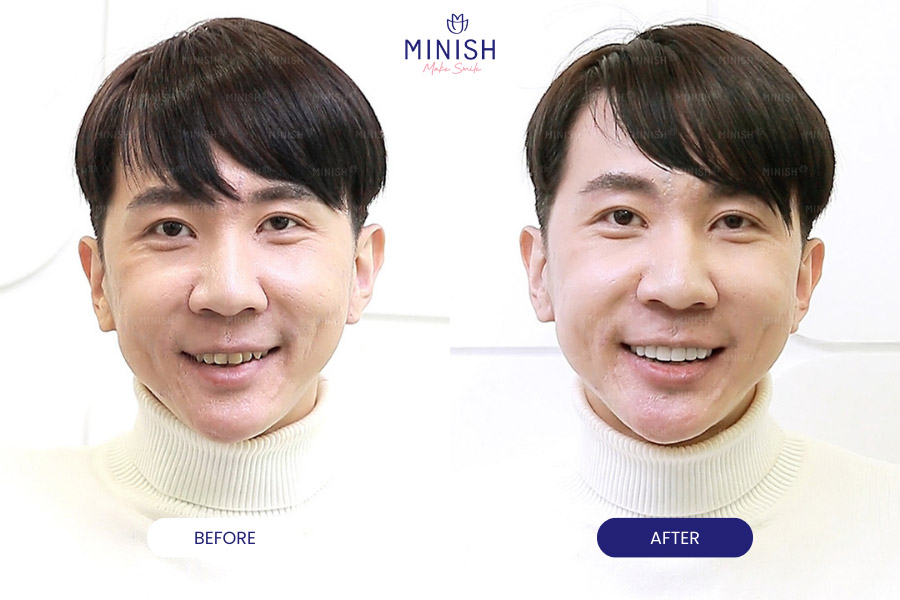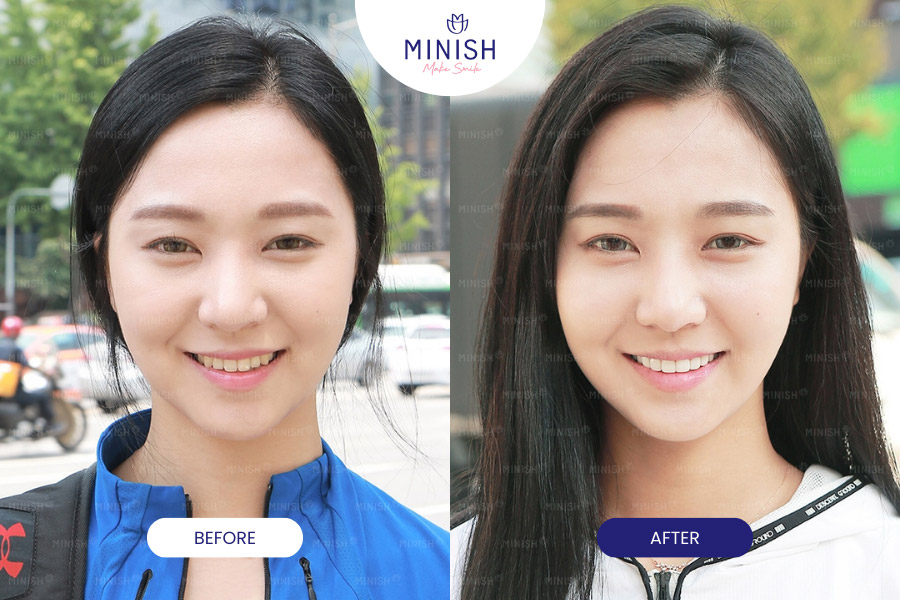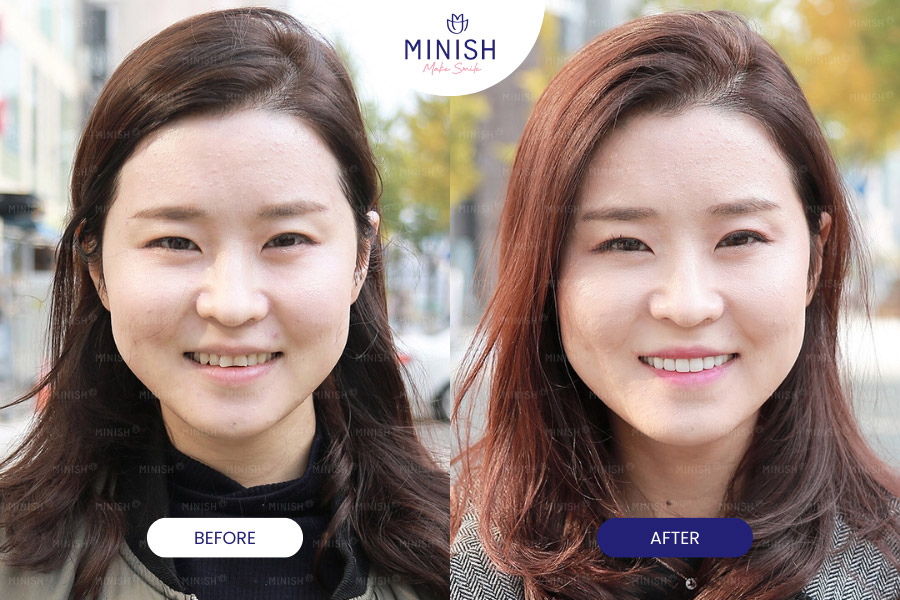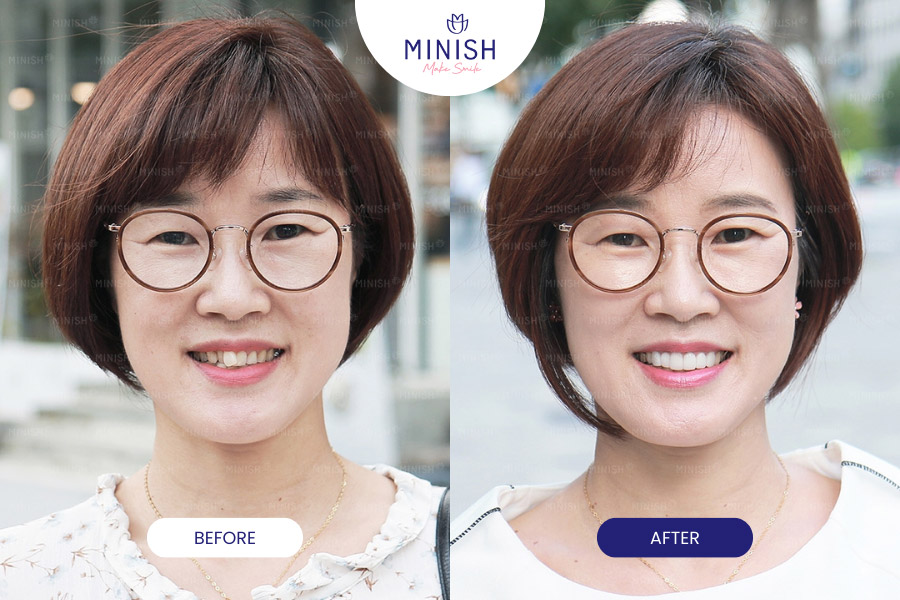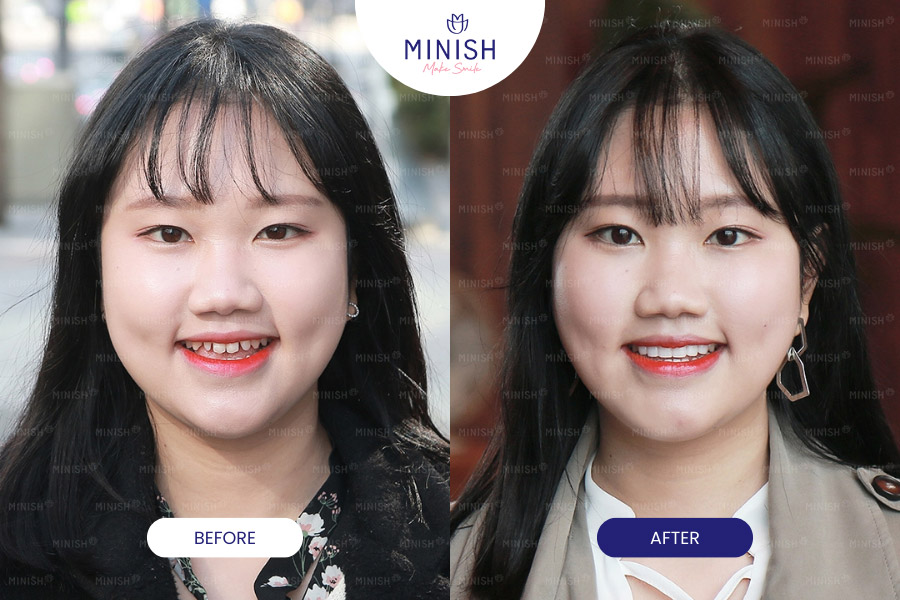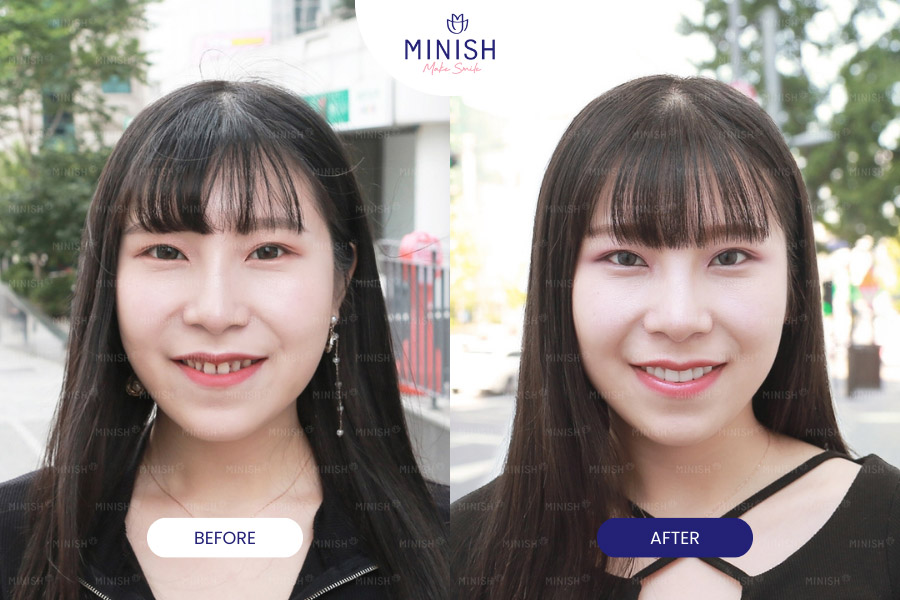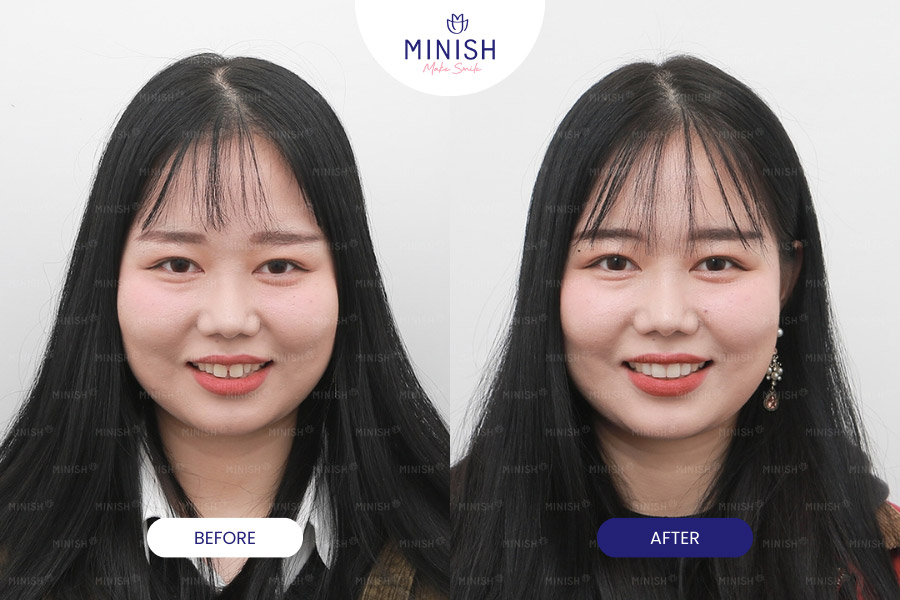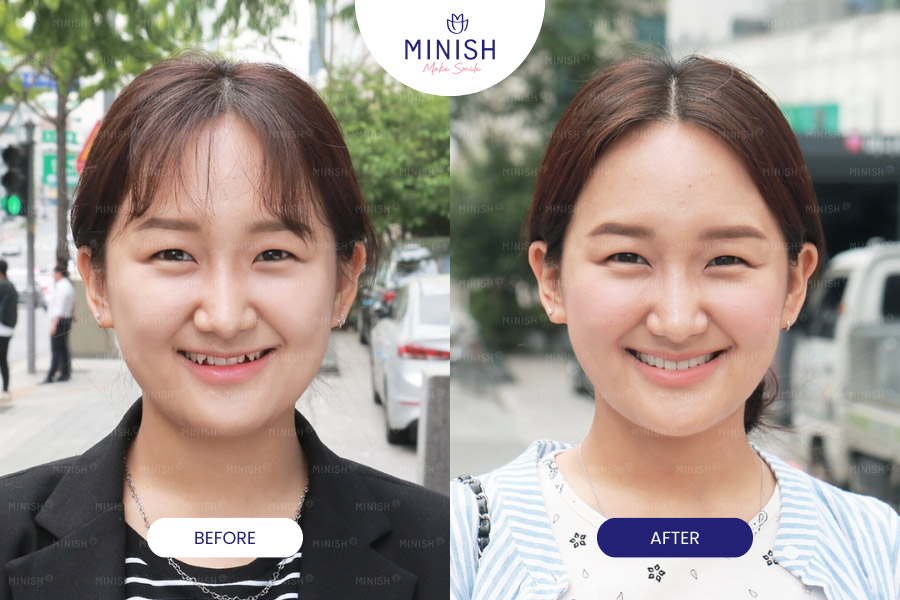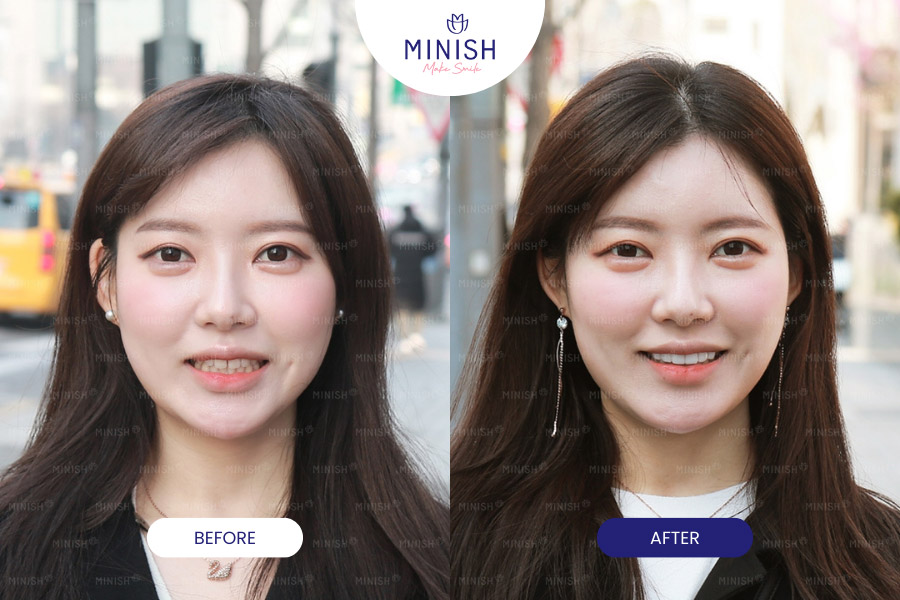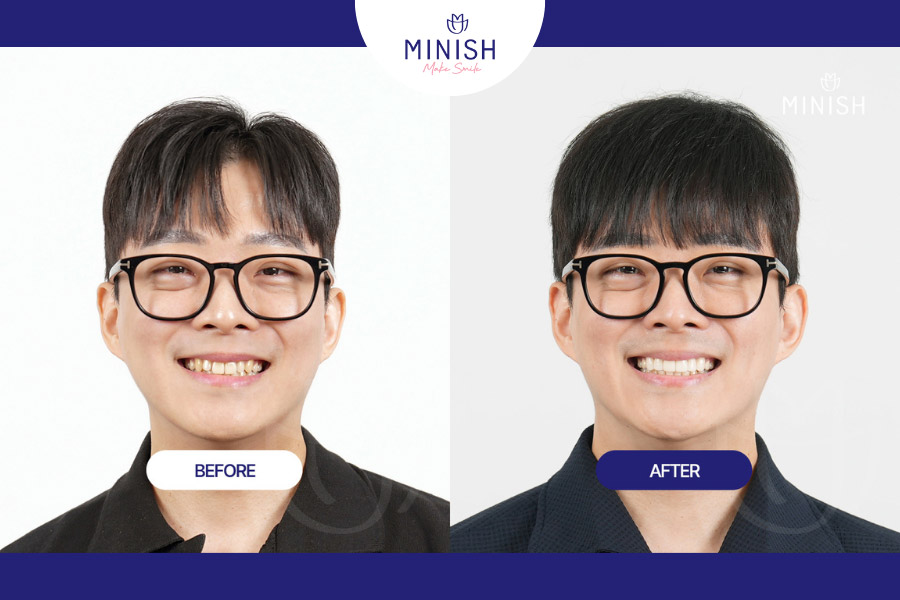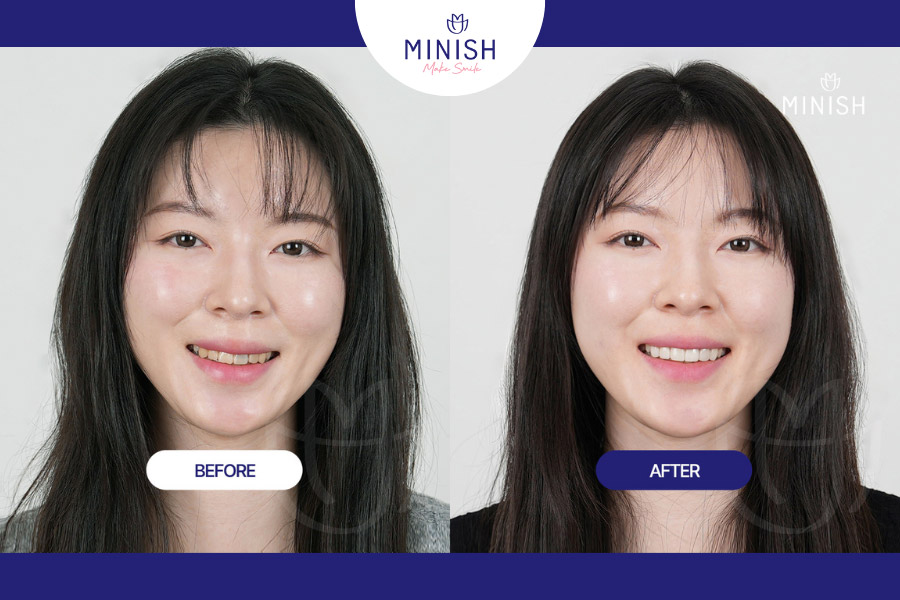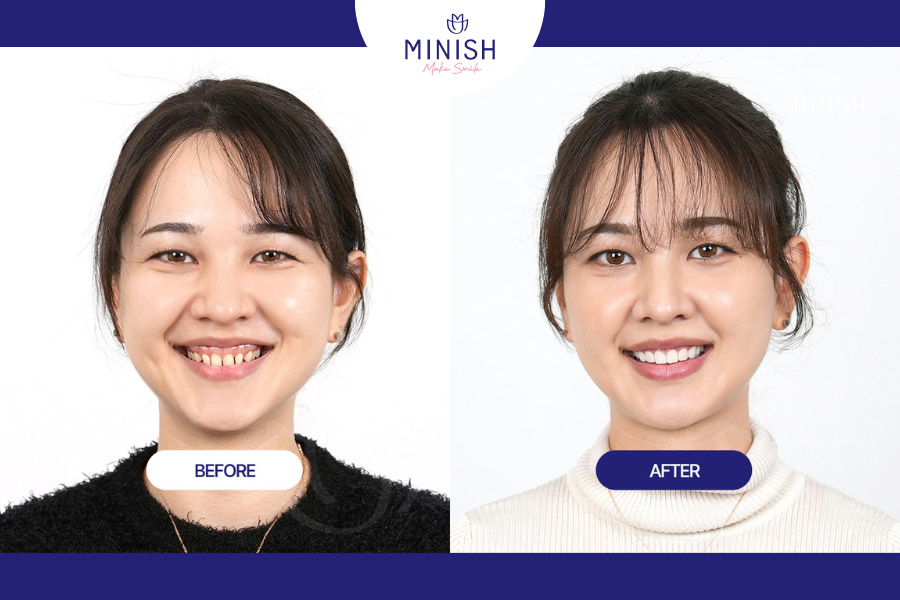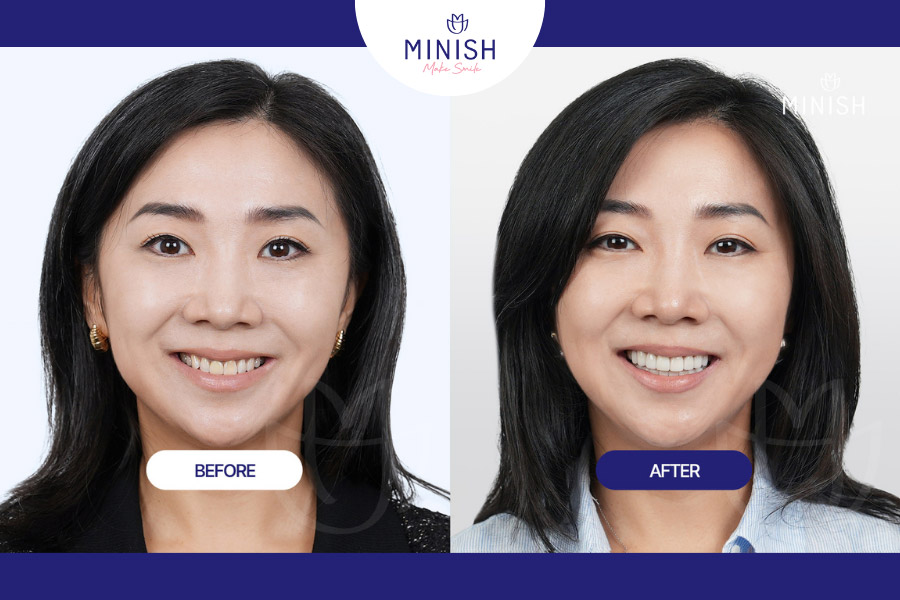
MINISH vs No-Prep Laminate Veneers: Was ist der Unterschied?
Willkommen im MINISH Dental Hospital – Smile Care für internationale Patientinnen und Patienten
Wenn Sie in Korea eine kosmetische Zahnbehandlung in Erwägung ziehen, sind Sie vermutlich schon auf Laminatveneers und MINISH, gestoßen und haben sich gefragt, welche Option sicherer ist, natürlicher aussieht und langfristig besser für die Zahngesundheit ist. Dieser Leitfaden erklärt die Unterschiede klar und kliniknah – besonders für internationale Patientinnen und Patienten, die sowohl hervorragende Ästhetik als auch substanzschonende Zahnmedizin wünschen.
Was sind Laminatveneers?
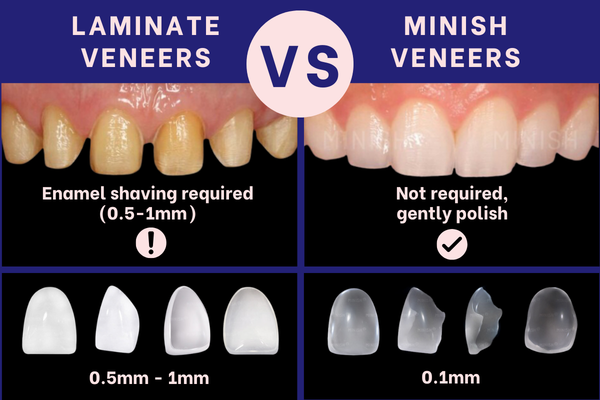
Laminatveneers sind eine ästhetische Behandlung zur Verbesserung des Erscheinungsbilds der Frontzähne. Traditionell trägt die Zahnärztin bzw. der Zahnarzt eine dünne Schicht Zahnschmelz ab und befestigt eine dünne Keramikschale auf der vorbereiteten Oberfläche.
Dieses Vorgehen kann substanzschonender sein als Vollkronen (bei denen der gesamte Zahn beschliffen werden muss). Werden jedoch zu viel Schmelz entfernt – oder wird die Planung überstürzt –, können Patientinnen und Patienten Probleme bekommen, wie zum Beispiel Empfindlichkeit oder Schmerzen nach der Behandlung– was zu einer negativen Wahrnehmung von Veneers beiträgt.
„No-Prep-Veneers“: Warum dieser Begriff irreführend sein kann
Möglicherweise stoßen Sie auf Werbung für „No-Prep-Laminatveneers“. Da Veneers grundsätzlich eine Behandlung sind, bei der die Zahnoberfläche zum Verkleben einer dünnen Keramikschale vorbereitet wird, kann „No-Prep“ verwirrend sein.
In vielen Fällen wird der Ausdruck als Marketingbegriff verwendet, der verständliche Ängste vor Zahnpräparation anspricht. Wichtig ist:
- Der Begriff „No-Prep-Laminatveneers“ ist kein gängiger Lehrbuchbegriff
- Er ist keine offiziell anerkannte Bezeichnung
- Er kann unrealistische Erwartungen wecken, dass Veneers für alle geeignet sind
Wann „No-Prep-Veneers“ (in seltenen Fällen) sinnvoll sein können
Echte „No-Prep“-Ansätze funktionieren nur in sehr wenigen, eng begrenzten Fällen, zum Beispiel:
- Mikrodontie (von Natur aus kleine Zähne)
- Zähne mit Zahnlücken
- Zähne, die nach innen stehen
Da Veneers Material hinzufügen, können sie manchmal helfen, wenn Zähne klein sind oder Lücken haben. Wenn sie jedoch auf Zähne angewendet werden, die bereits normal groß, prominent, breit oder eng stehen, kann das Ergebnis so wirken:
- Wuchtig oder unnatürlich dick
- Weniger harmonisch im Gesicht und beim Lächeln
- Als hätten die Zähne „zugenommen“ statt feiner zu wirken
MINISH vs. No-Prep-Veneers: Wichtige Unterschiede für internationale Patientinnen und Patienten
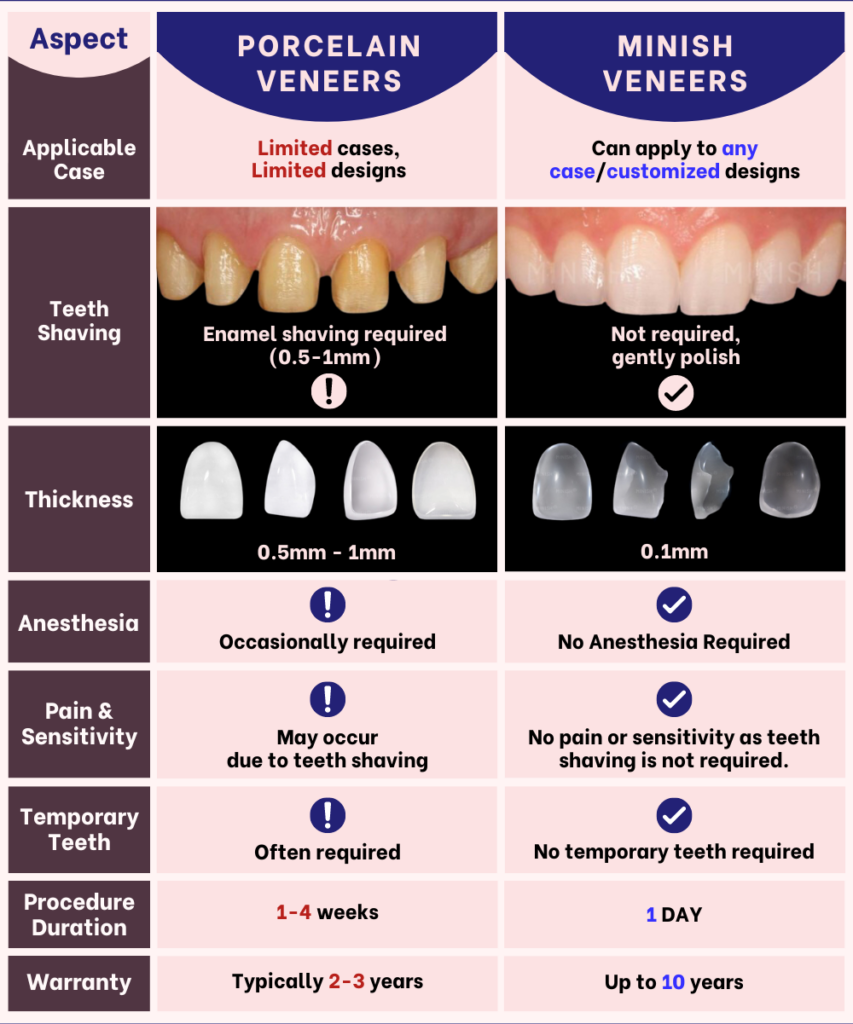
Im Folgenden finden Sie einen praktischen Vergleich für Patientinnen und Patienten, die für hochwertige restaurative und ästhetische Zahnmedizin nach Korea reisen.
Ziel: Ästhetische Optimierung vs. Zahnrestauration
No-Prep-Veneers konzentrieren sich in erster Linie auf die Verbesserung der Ästhetik.
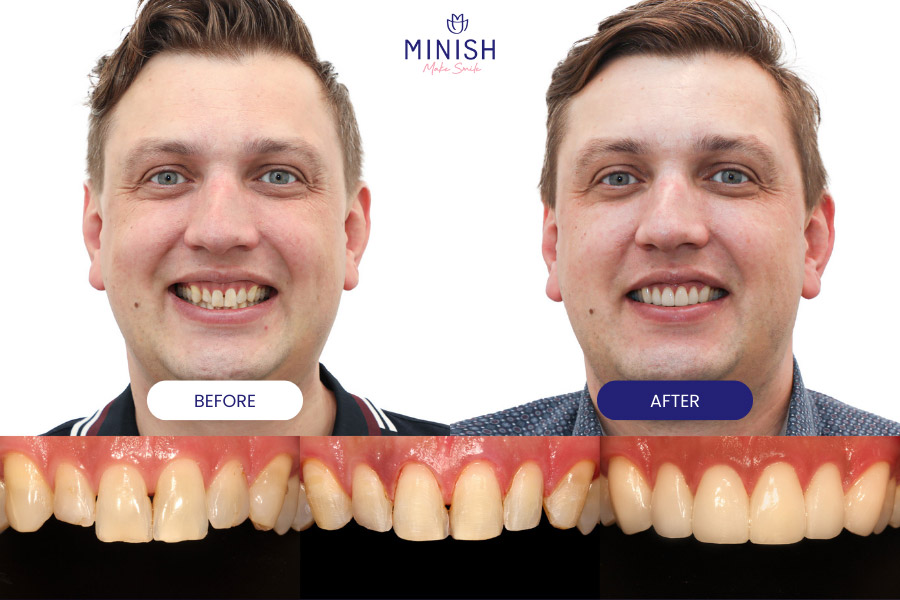
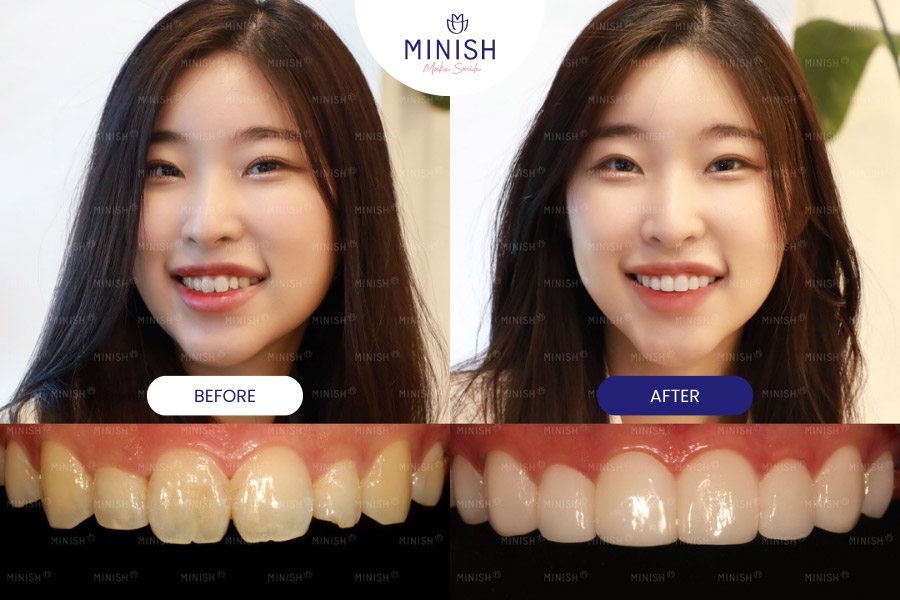
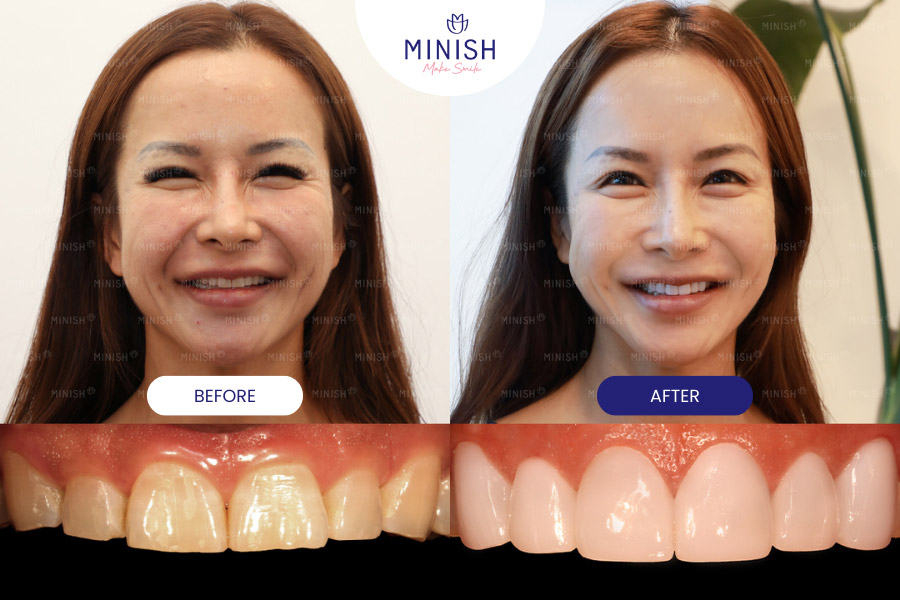
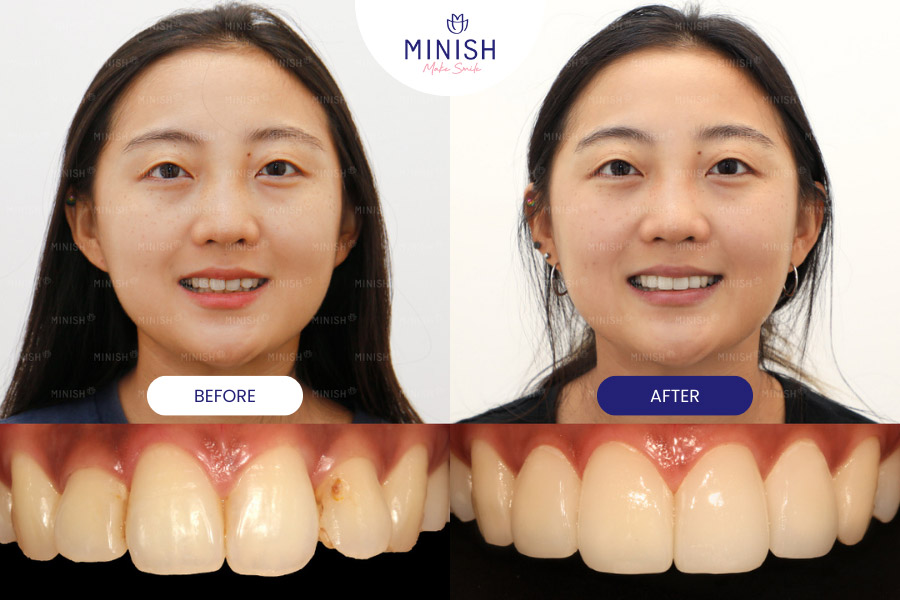
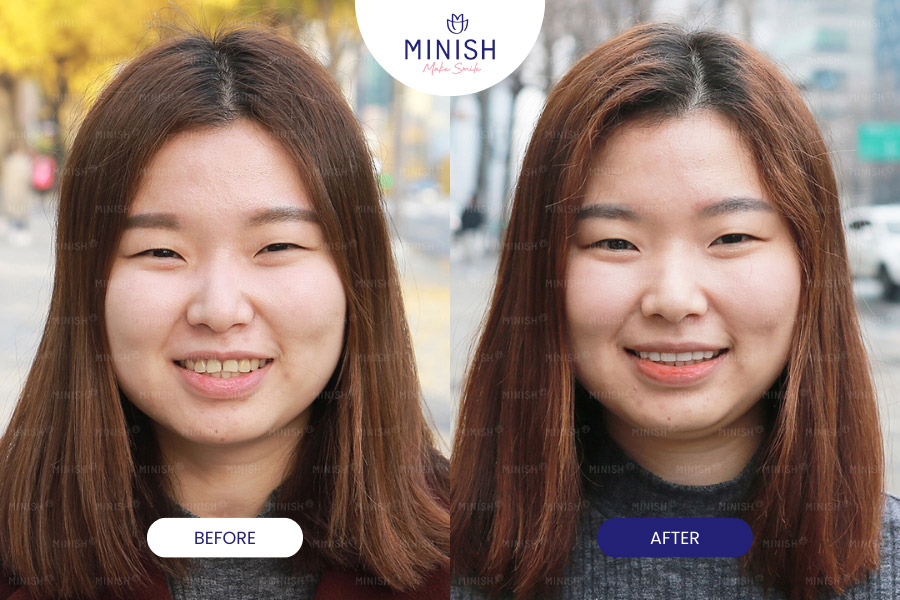
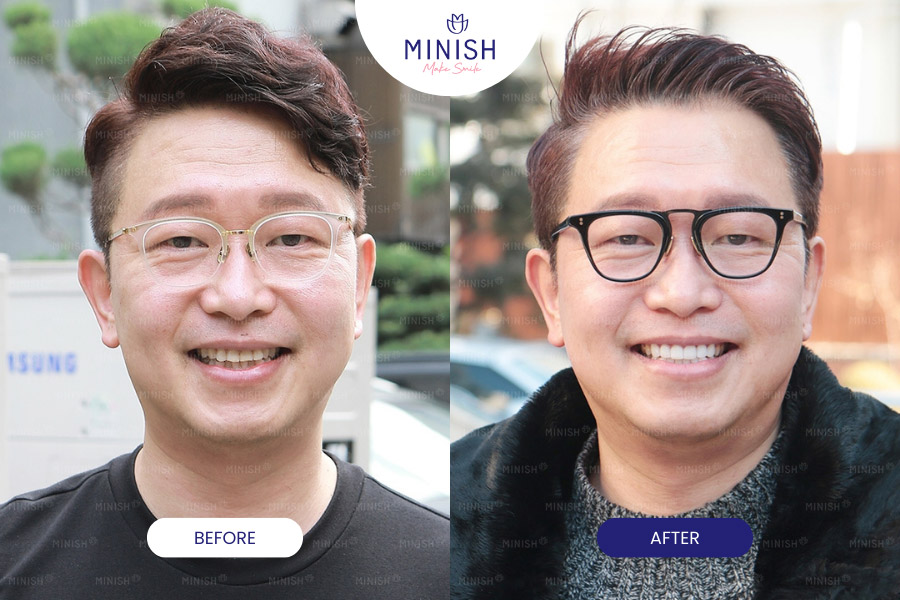
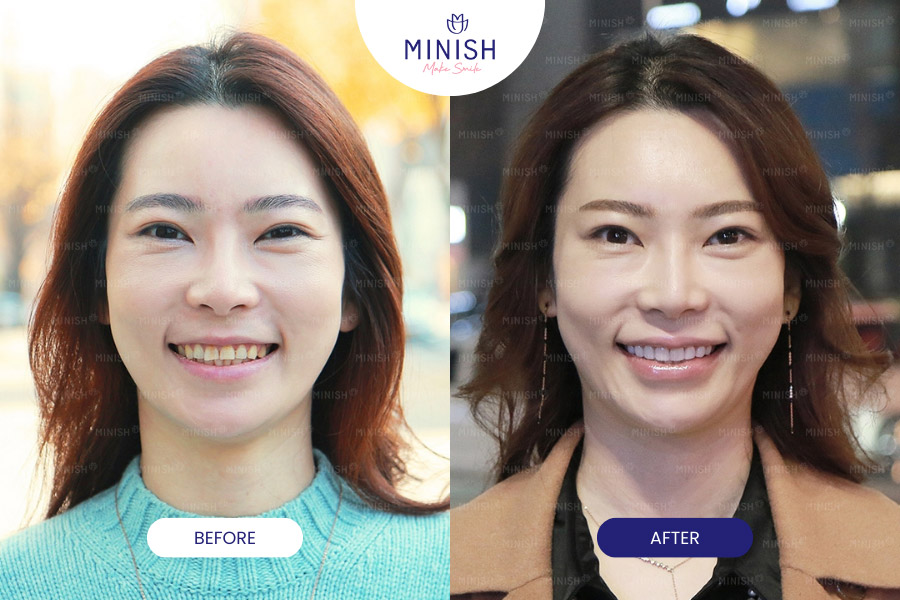
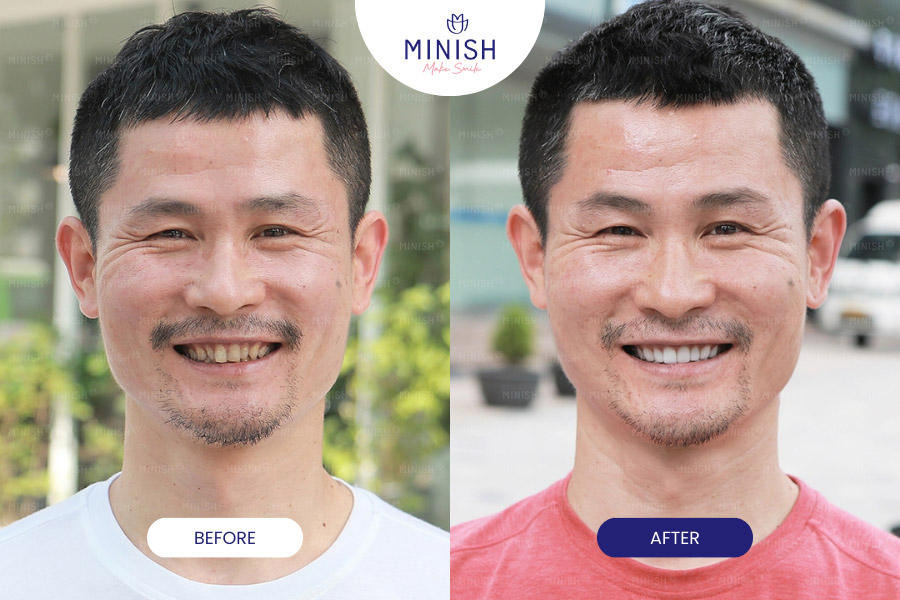
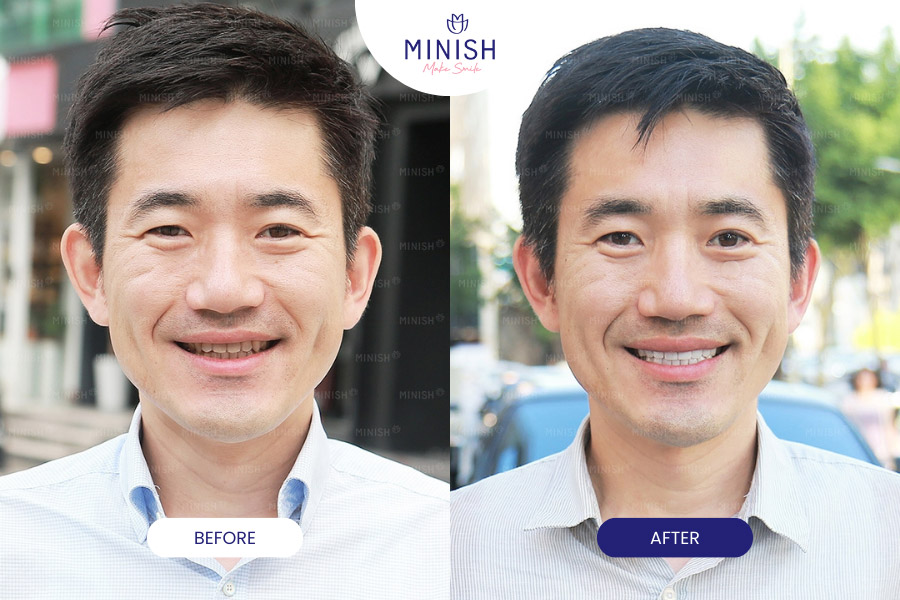
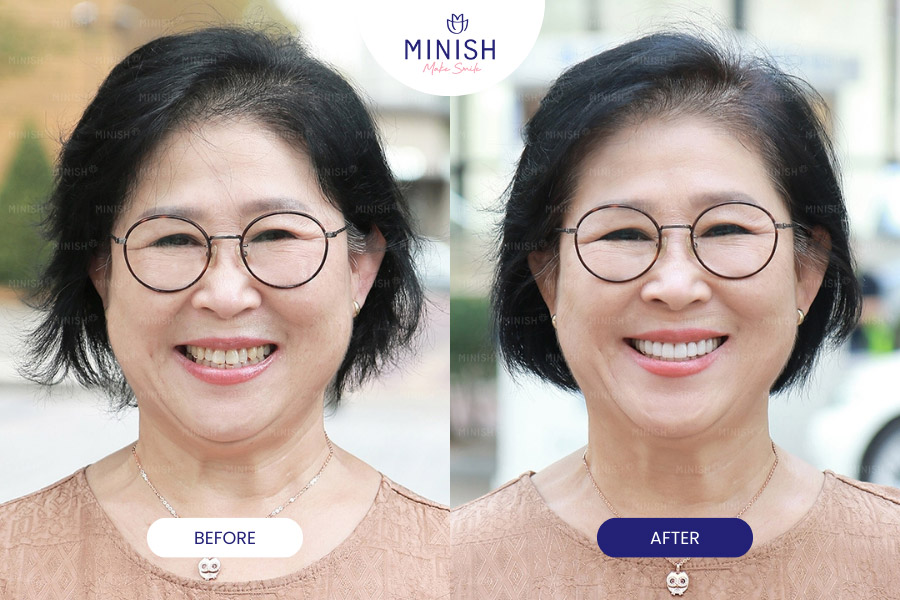
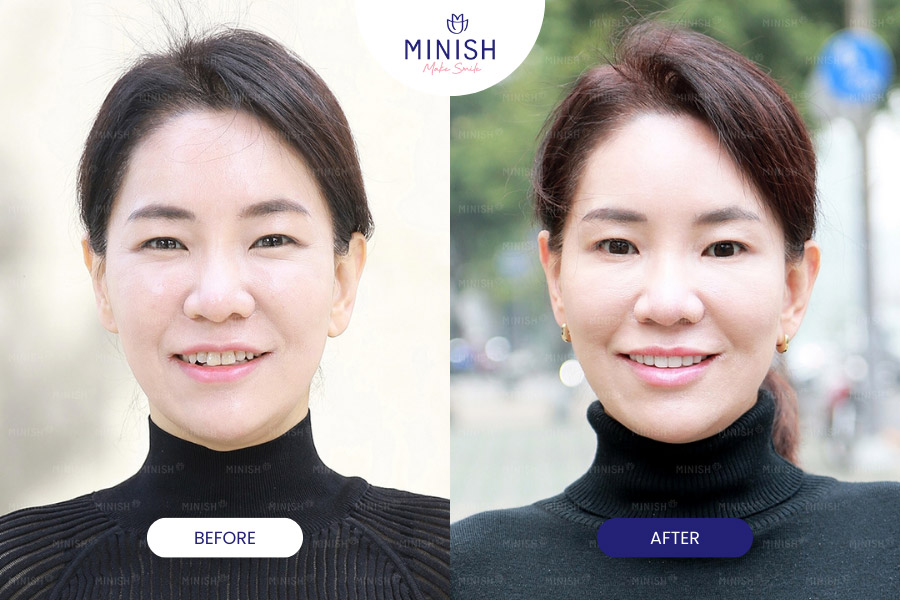
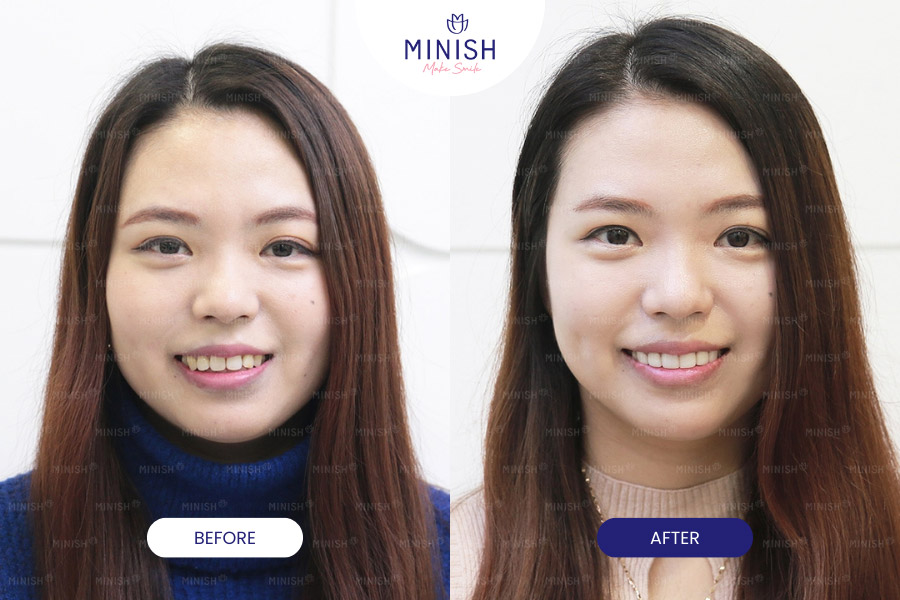
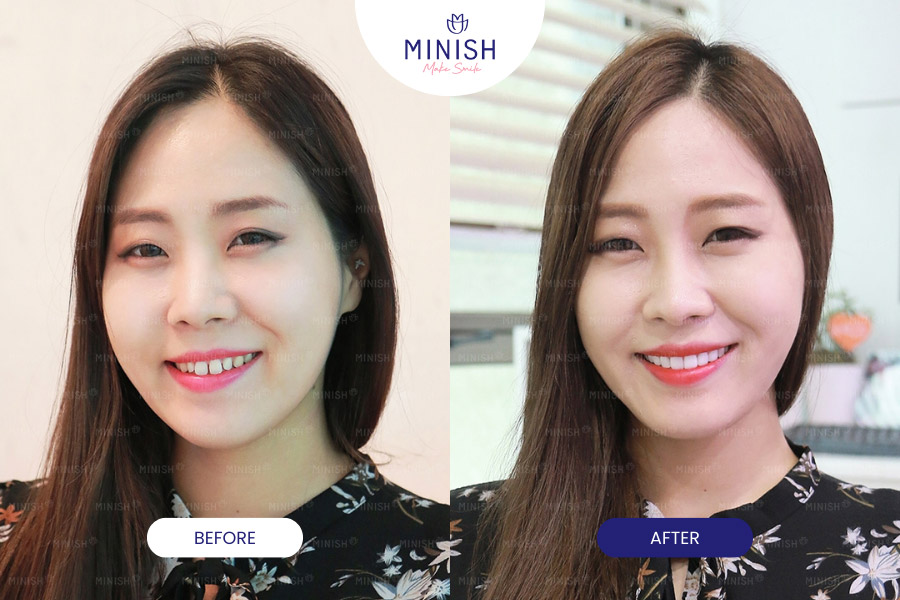
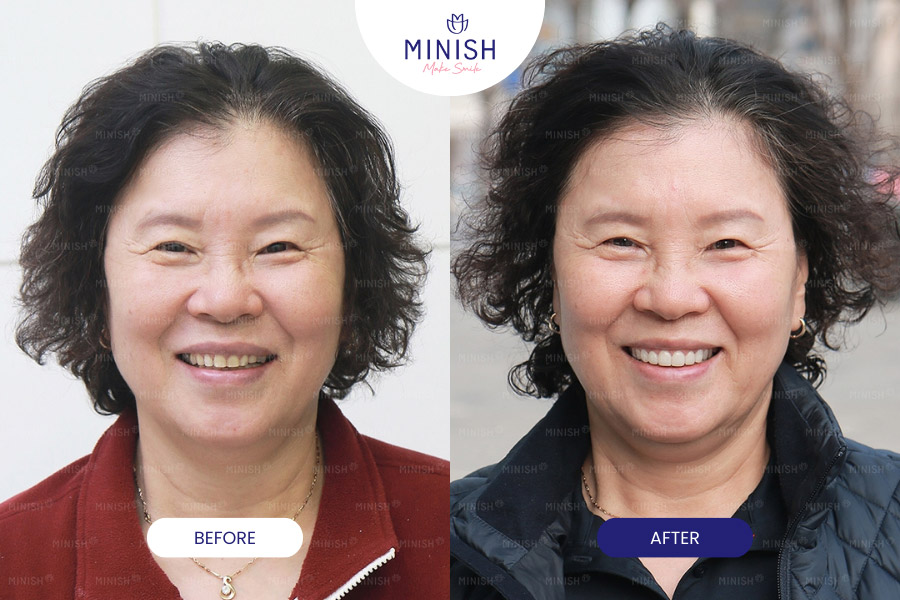
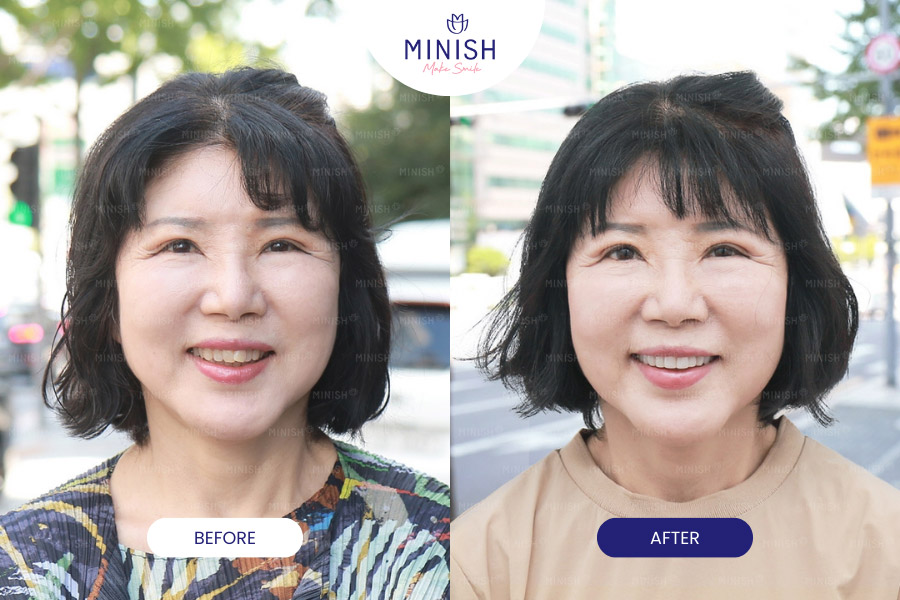
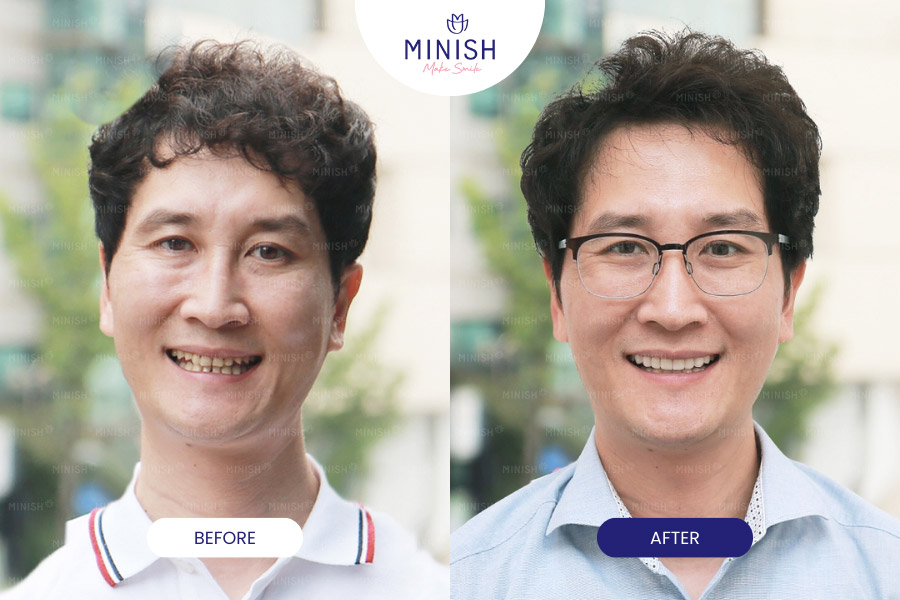
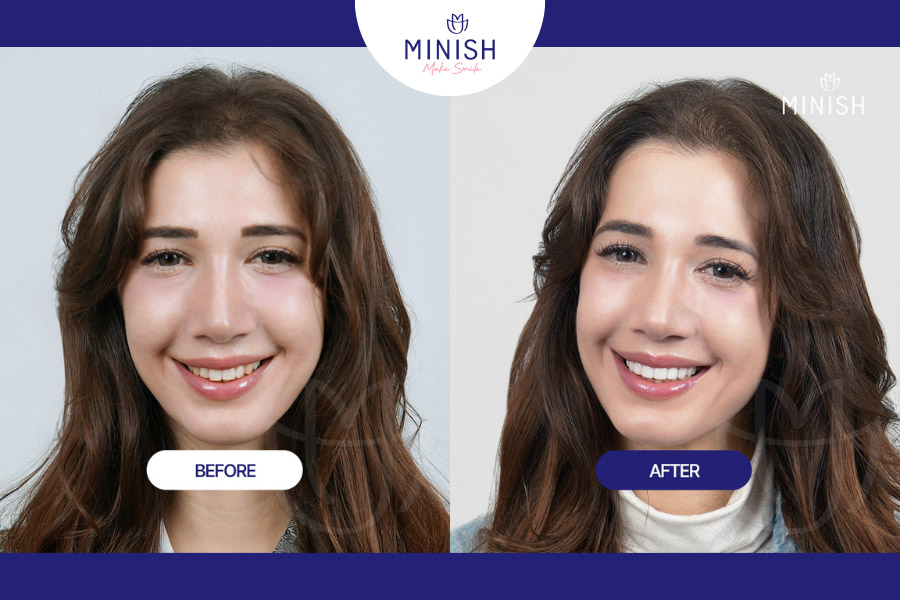
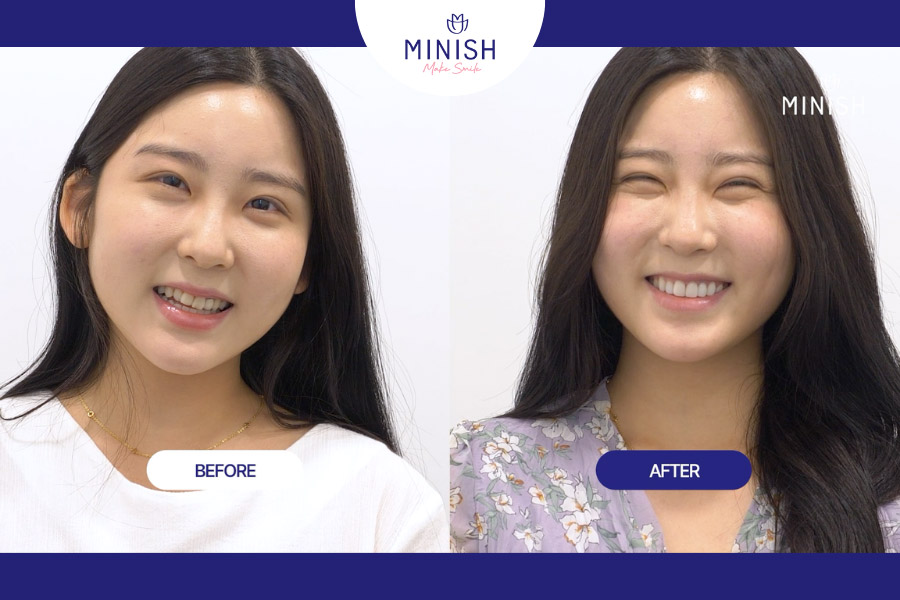
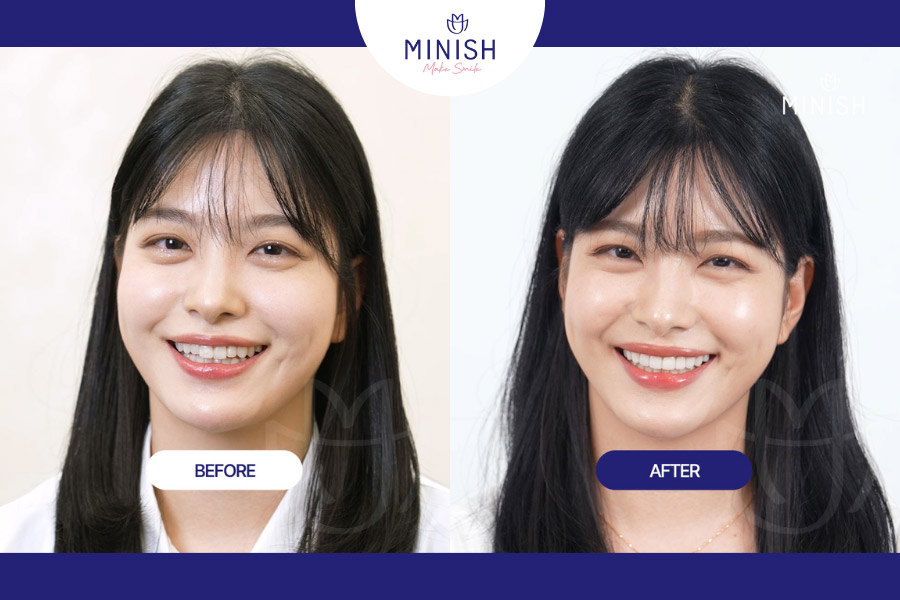
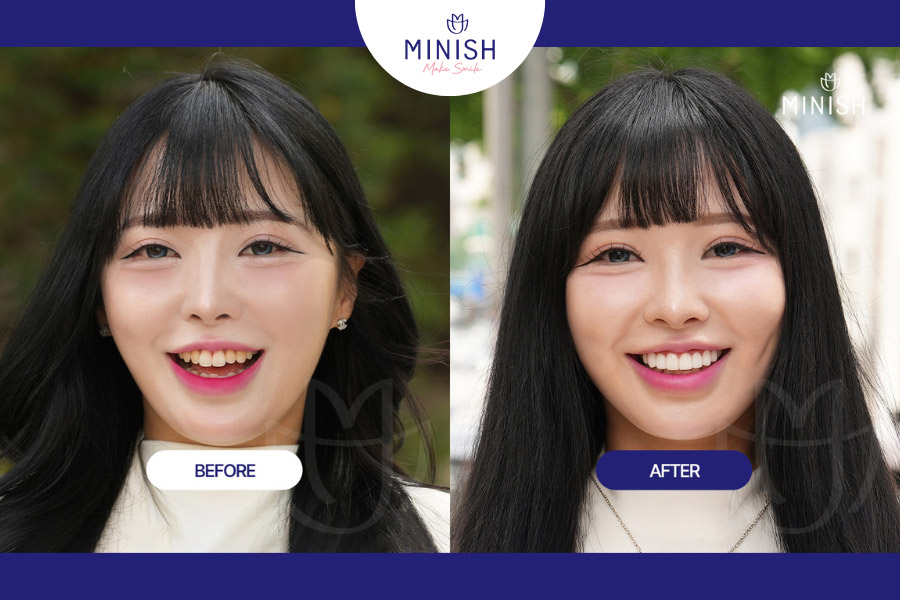
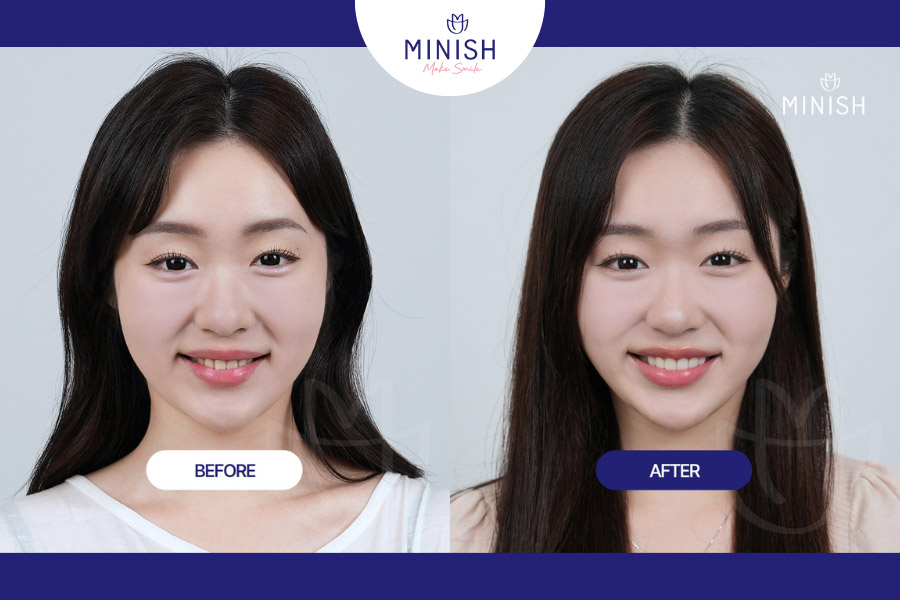
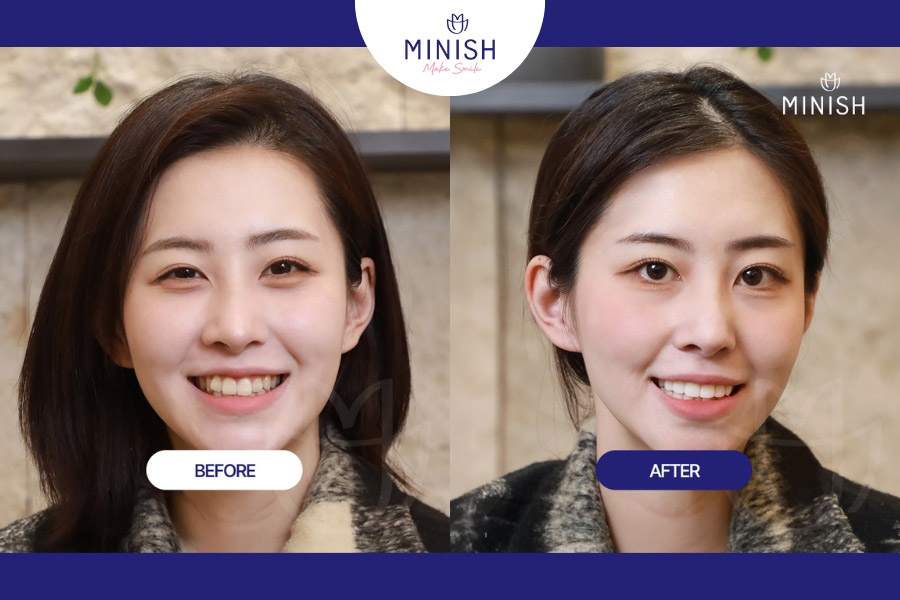
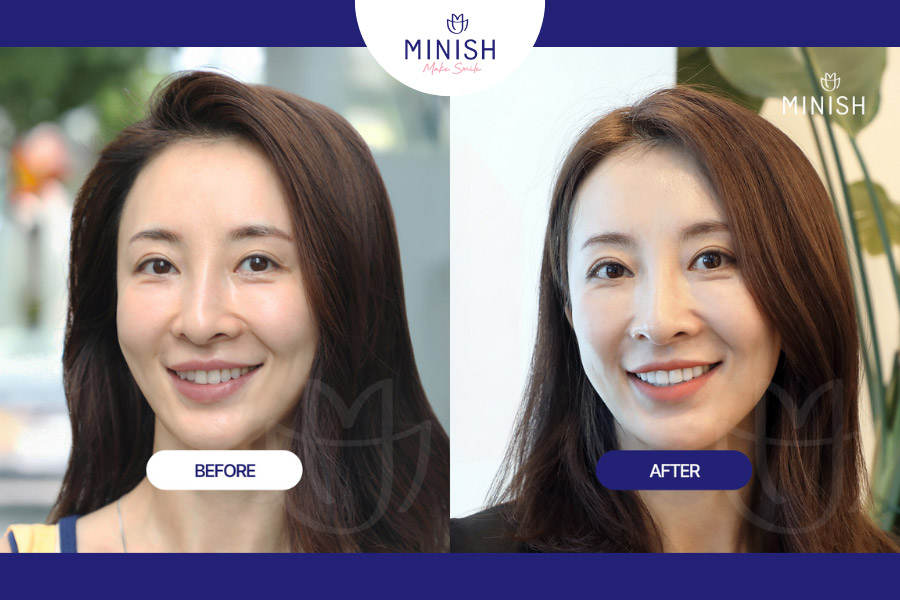
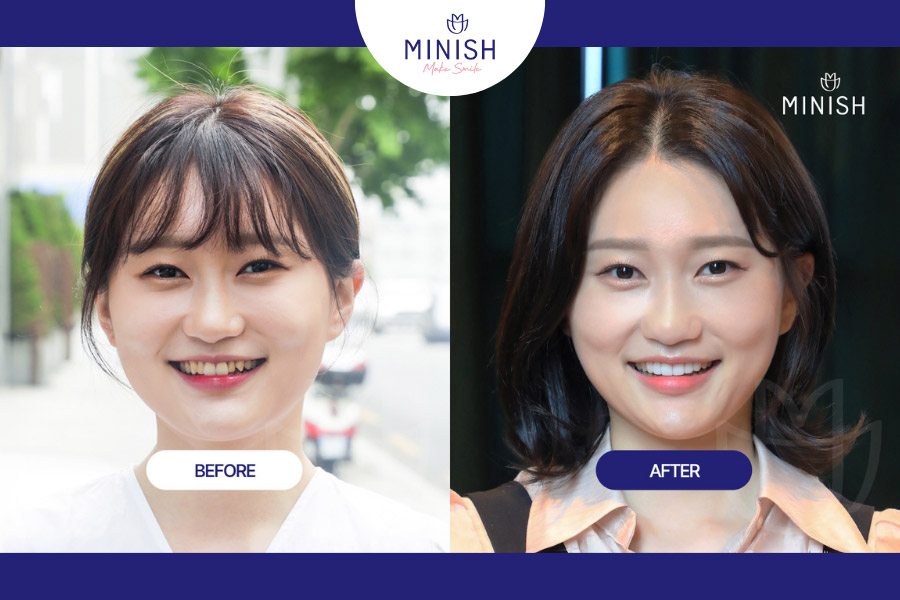
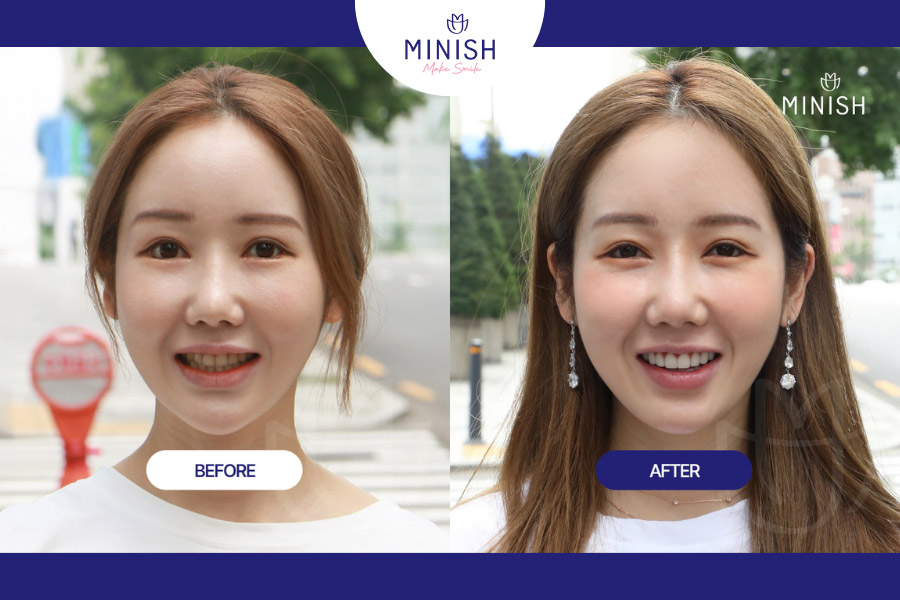
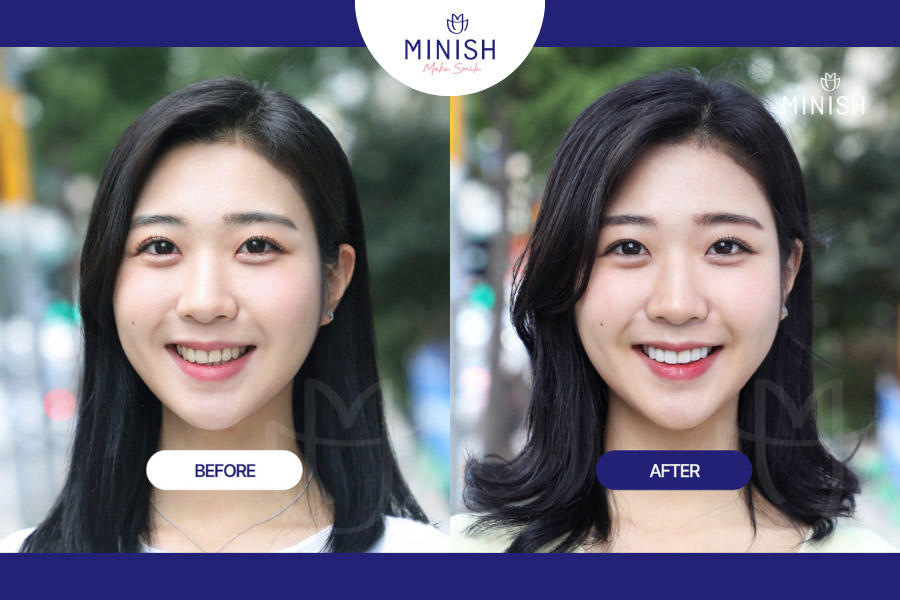
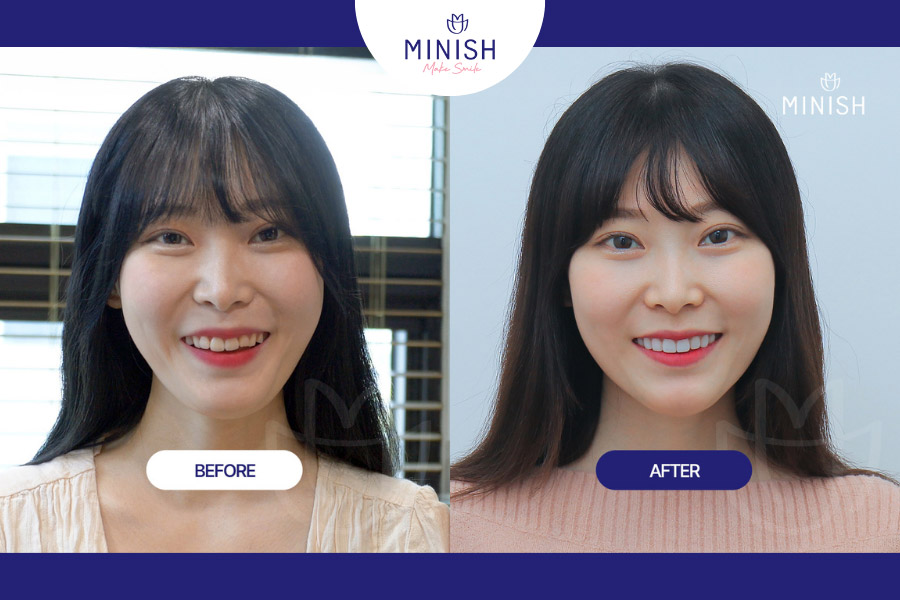
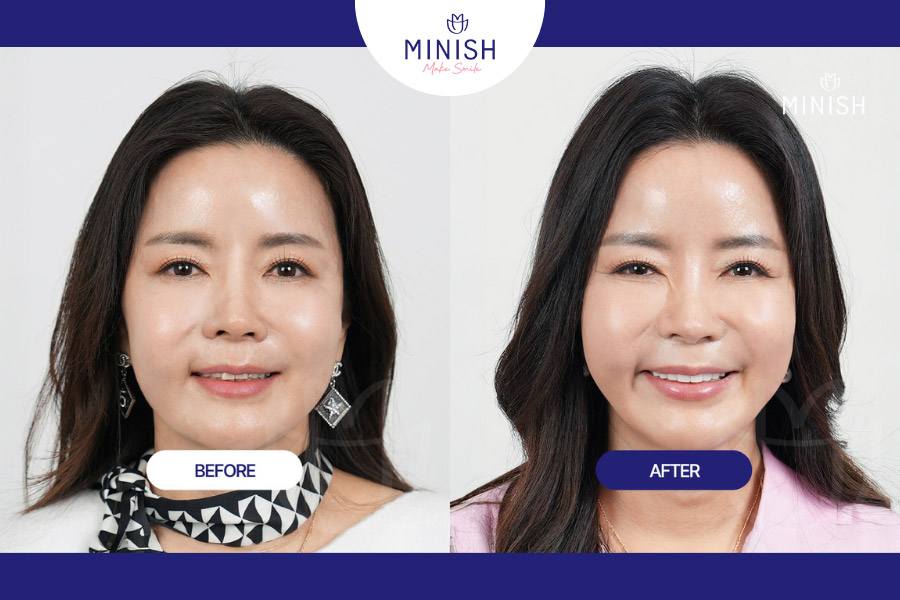
MINISH, wurde entwickelt, um den Bedenken hinsichtlich der Schmelzentfernung bei konventionellen Veneer-Ansätzen zu begegnen. Es ist eine restaurative Behandlungsoption bei der Folgendes im Vordergrund steht:
- Wiederherstellung von abgesplitterten, abgenutzten oder kariösen Zähnen
- Erhalt gesunder Zahnhartsubstanz
- Natürlich wirkende Ästhetik erreichen als Folge der Wiederherstellung der Zahngesundheit– statt die Zahngesundheit dafür zu opfern
Behandlungsbereich: nur Frontzähne vs. alle Zähne (einschließlich Molaren/Backenzähne)
No-Prep-Veneers beschränken sich in der Regel auf Frontzähne, und sind nicht geeignet, wenn Sie folgendes möchten:
- Die Größe normaler Zähne reduzieren
- Lange oder breite Zähne verkleinern
- Hervorstehende Zähne nach innen bewegen
- Starke Fehlstellungen korrigieren
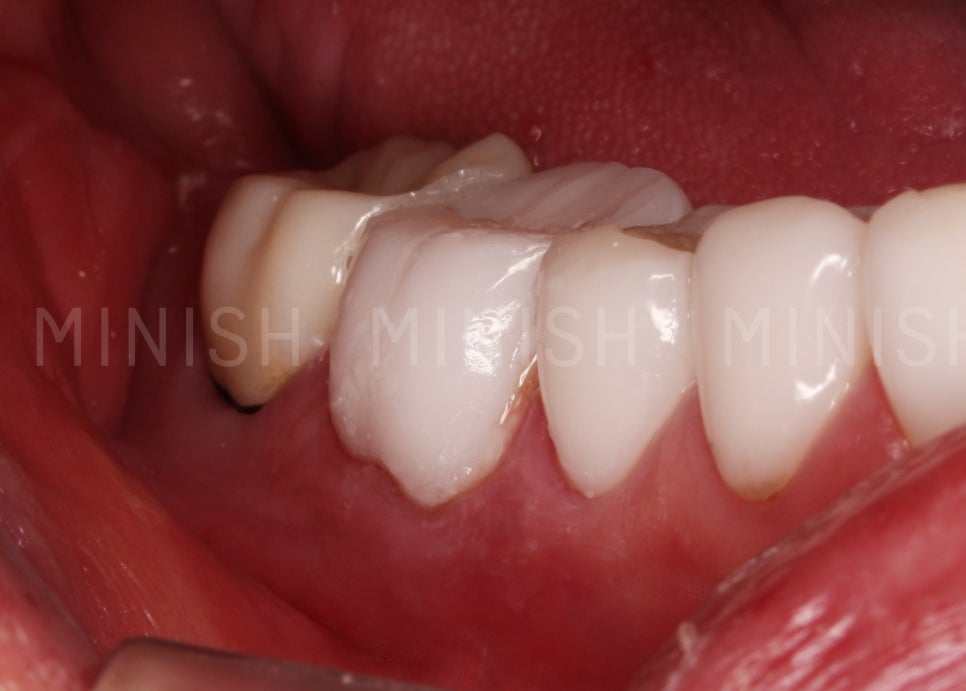
MINISH, kann auf alle Zähne, einschließlich der Molaren (Backenzähne), angewendet werden. Für Molaren werden oft Kronen verwendet, die jedoch in der Regel eine erhebliche Präparation erfordern. Mit Molar-MINISH, ist das Ziel, nur den beschädigten Bereich so schonend wie möglich zu entfernen und dabei Folgendes wiederherzustellen:
- Kaufunktion
- Strukturelle Stabilität
- Natürlich wirkende Zahnform
(Ausnahmen können gelten, wenn eine orthognathe Operation erforderlich ist.)
Überlegungen zu Befestigung & Haltbarkeit
Da No-Prep-Veneers mitunter ohne ausreichende Oberflächenpräparation verklebt werden, besteht ein erhöhtes Risiko für:
- Schwächere Haftung
- Ablösungen (Debonding)
- Erhöhtes Risiko für Risse bereits durch vergleichsweise geringe Einwirkung
MINISH wurde entwickelt, um diese Einschränkungen durch einen Restaurationsansatz zu vermeiden, der auf präziser Passung und standardisierten Bonding-Protokollen basiert. In einigen Nachbehandlungsfällen (z. B. bei Zähnen, die andernorts zuvor mit Kronen versorgt wurden), kann das Abdecken von Verfärbungen schwieriger sein – das betrifft in der Regel nur bestimmte Situationen nach Vorbehandlungen.
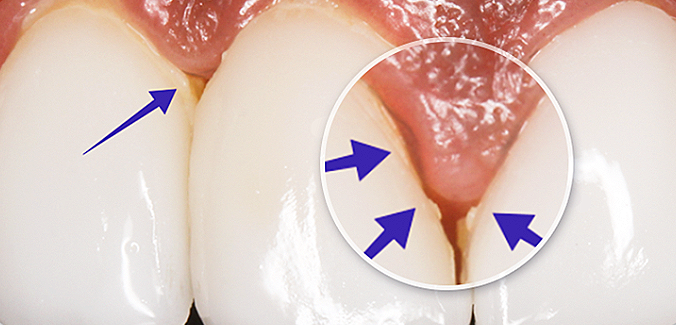
Aber ; MINISH wird für jeden einzelnen Zahn individuell und hochpräzise angefertigt und nach einem exakten Bonding-Protokoll eingesetzt, wodurch das Risiko solcher Komplikationen minimiert wird.
Klinische Entwicklung: Neuer Marketingtrend vs. ein seit 2009 entwickeltes System
„No-Prep-Veneers“ gibt es als Konzept, doch ihre jüngste Popularität wird häufig durch Werbung angetrieben, die auf der Angst vor Zahnpräparation basiert.
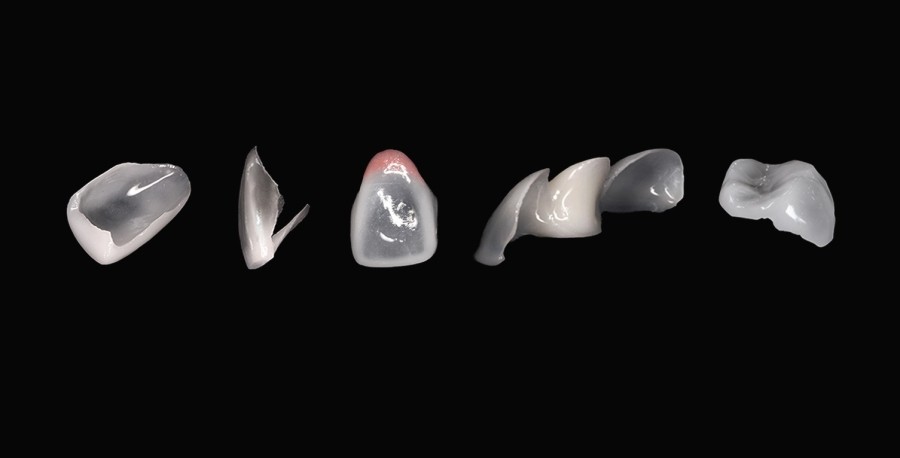
MINISH startete 2009 mit Forschung und Entwicklungund hat sich zu mehreren klinisch ausgerichteten Lösungen weiterentwickelt, darunter:
- Dual MINISH (Abdeckung von Vorder- und Rückseite)
- Pink-MINISH (eine Methode, die bei Rezessionen das Erscheinungsbild einer Zahnfleischregeneration unterstützen soll)
- MINISH-Brücke (eine Alternative zu klassischen Brücken, die oft eine starke Präparation der Nachbarzähne erfordern)
- One-Day-MINISH-System und Molar-MINISH (eingeführt im Zuge der Weiterentwicklung des Systems)
Wer führt die Behandlung durch: allgemein unkompliziert vs. spezialisierte Ausbildung
Das Verkleben von No-Prep-Veneers ist häufig relativ unkompliziert und erfordert möglicherweise keine spezielle Schulung.
MINISH erfordert ein hohes Maß an Präzision und eine standardisierte Vorgehensweise. Behandlerinnen und Behandler absolvieren eine Ausbildung über die MINISH Academy, einschließlich praktischer Schulungen in:
- Zahnkonturierung
- Bonding-Protokollen
- Passform- und Finishing-Verfahren
Materialien: Zirkonoxid/E.max vs. MINISH-Block (zahnähnliche Eigenschaften)
No-Prep-Veneers verwenden häufig Materialien wie:
- Zirkonoxid (sehr stark, kann jedoch Belastungen auf stützende Strukturen übertragen und mit der Zeit die Gegenzähne beeinflussen)
- Opakes E.max (kann – je nach Farbton und gewünschter Transluzenz – weniger natürlich wirken)
MINISH verwendet den „MINISH-Block“, der so entwickelt wurde, dass er natürliche Zahneigenschaften nachahmt, darunter:
- Biokompatibilität
- Festigkeitsprofile (Bruch-, Druck- und Zugfestigkeit)
- Verschleißfestigkeit und Elastizität
- Transluzenz (Lichtdurchlässigkeit)
- Thermische Ausdehnung ähnlich wie bei natürlichen Zähnen
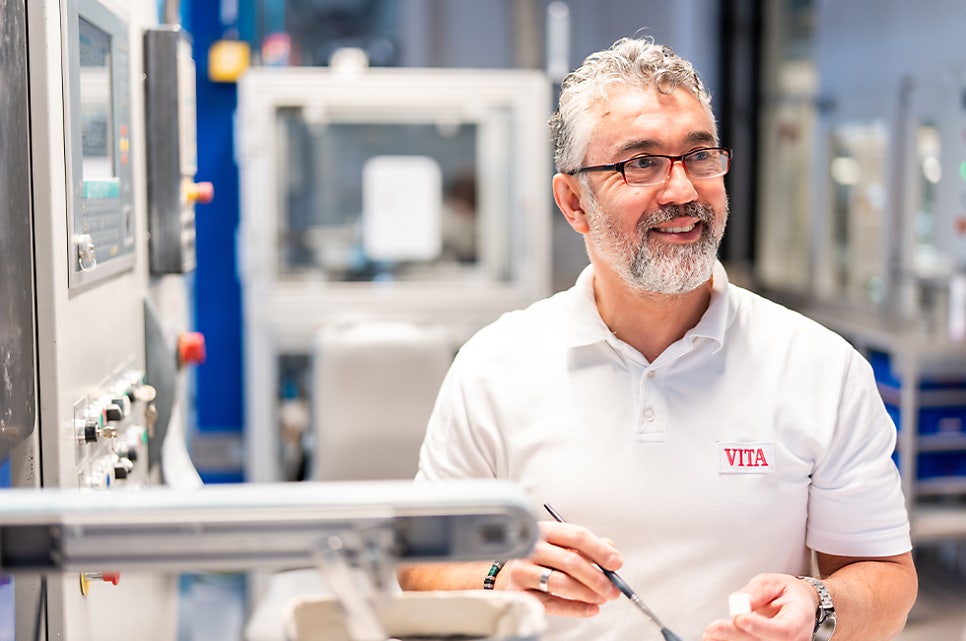
Der MINISH-Block wurde gemeinsam mit VITA, einem weltweit tätigen Dentalmaterialhersteller, entwickelt und wird exklusiv für MINISH produziert.
Warranty: Varies Widely vs. Up to 15 Years
Die Garantiezeiten für No-Prep-Veneers liegen häufig bei etwa 1–2 Jahren, einige Kliniken bieten gar keine an. Wenn lange Garantien ohne langfristige Nachbeobachtung beworben werden, ist es sinnvoll zu fragen, welche Belege diese Aussagen stützen.
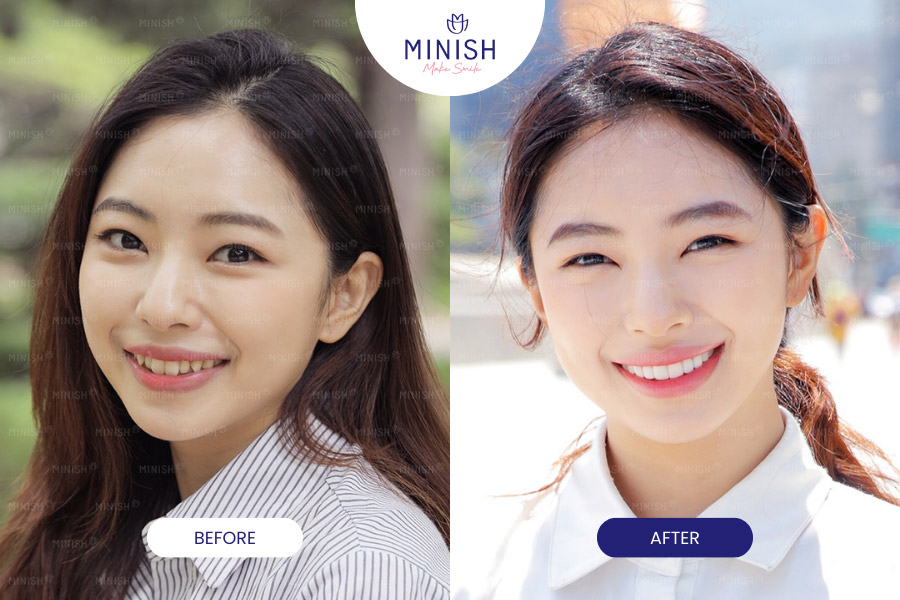
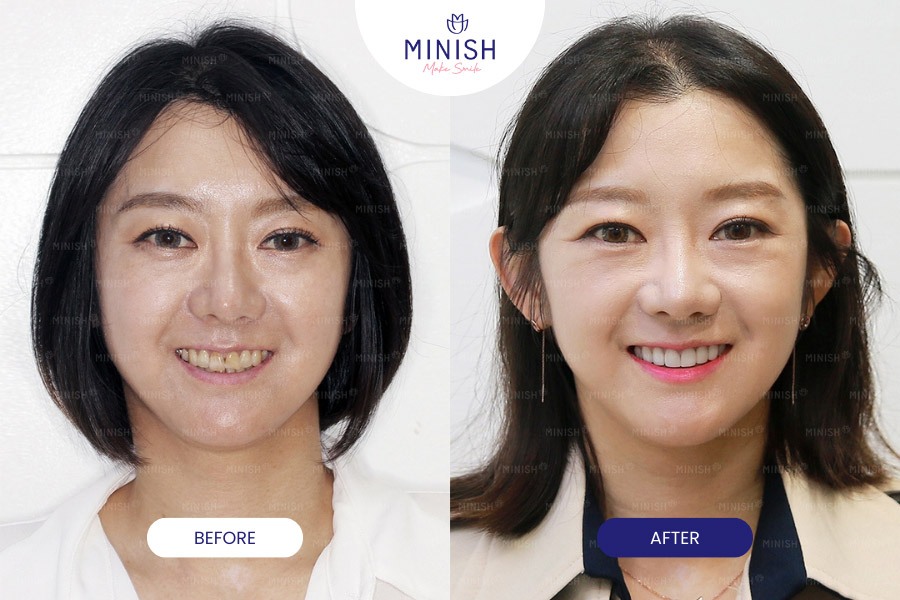
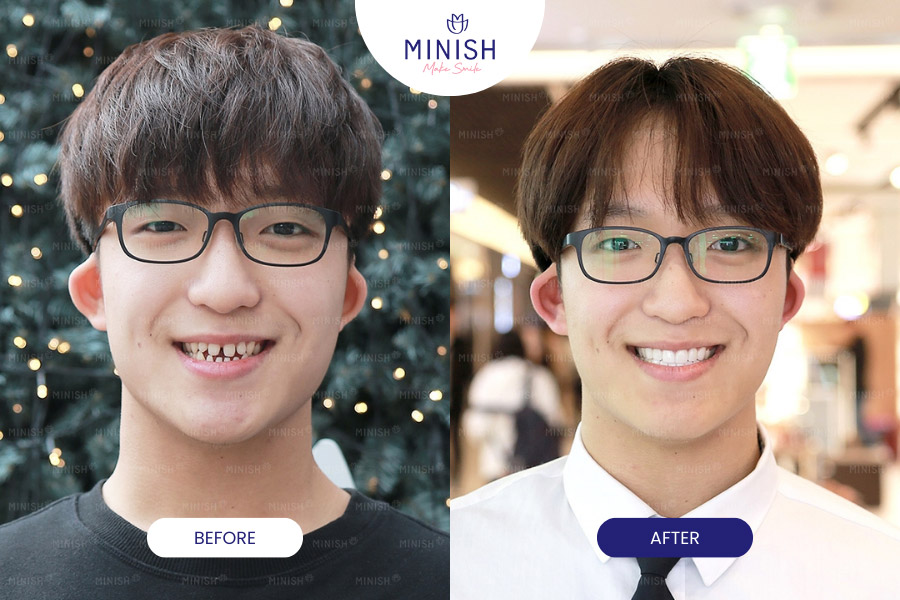
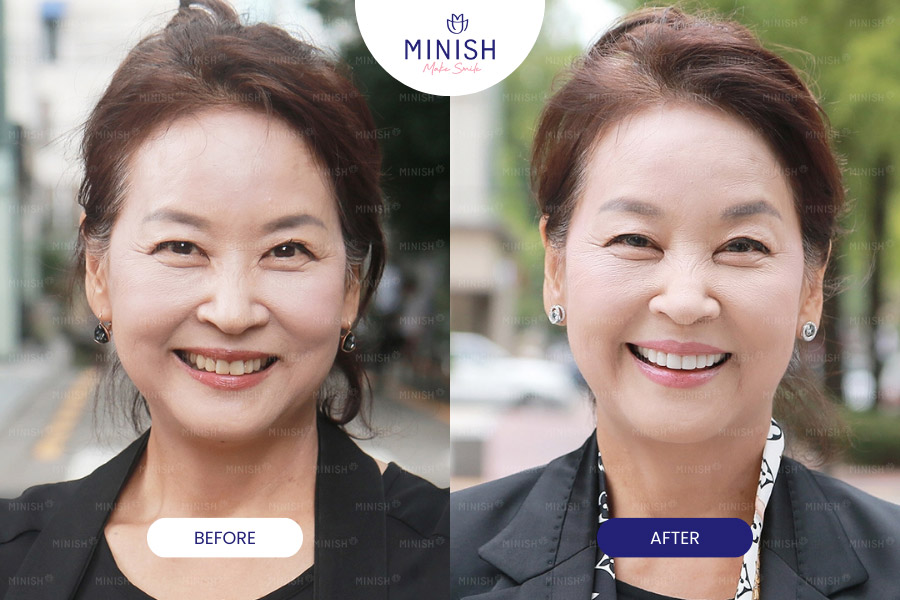
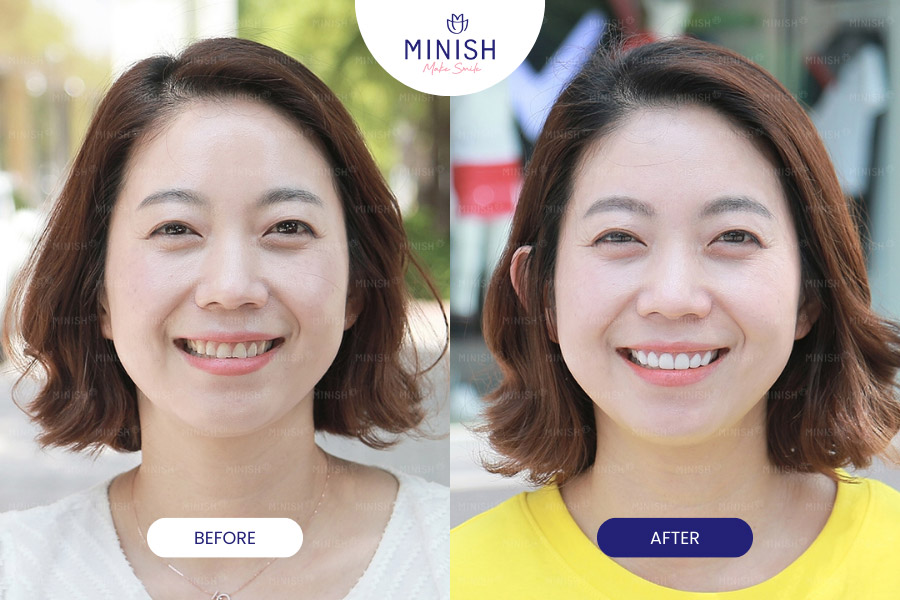
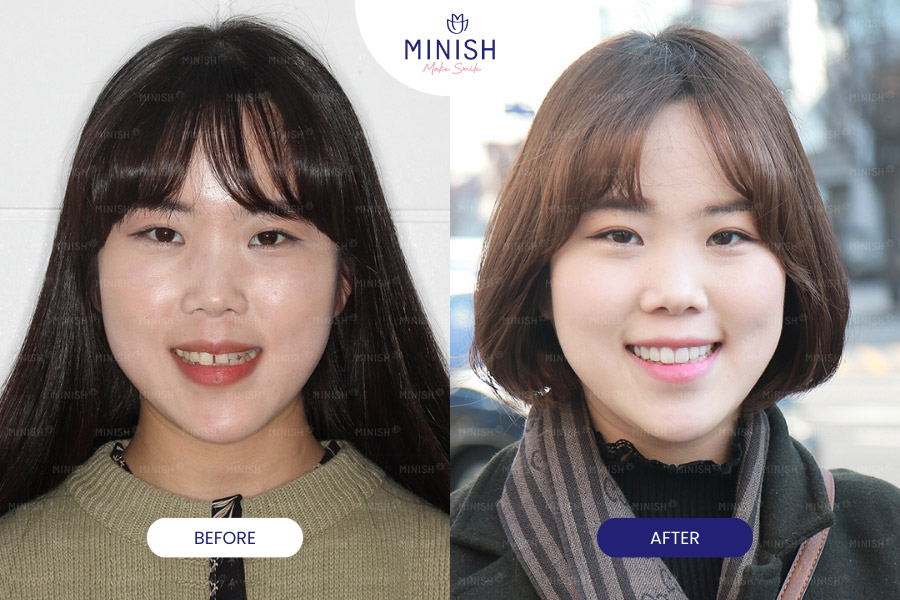
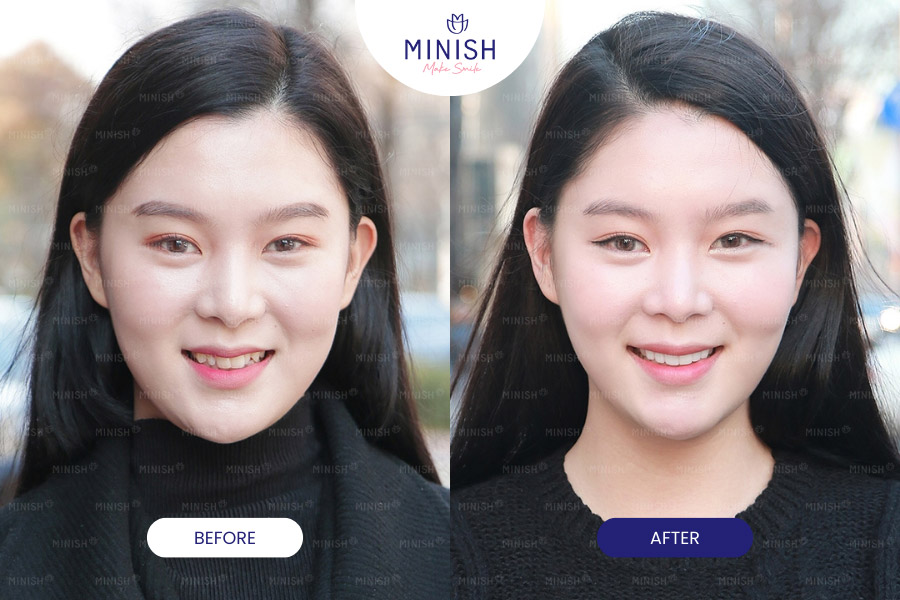
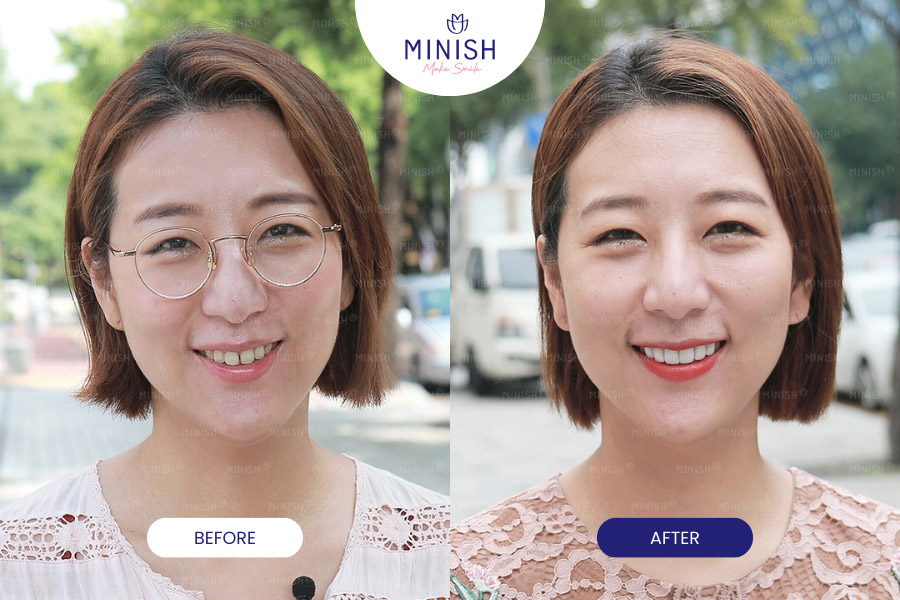
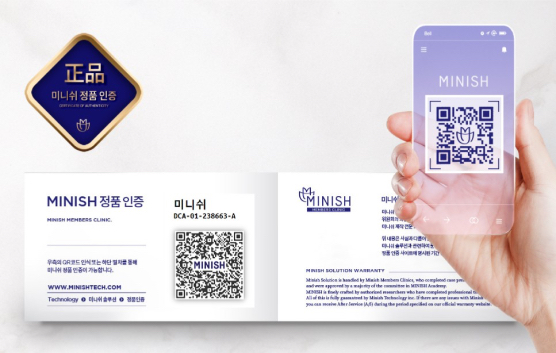
MINISH bietet eine warranty up to 15 years– basierend auf langfristigen Nachbeobachtungsergebnissen. Patientinnen und Patienten erhalten außerdem eine MINISH-Box mit Zahnmodellen, die den Zustand vor und nach der Behandlung zeigen – so verstehen Sie die Veränderungen und den Umfang der erforderlichen Zahnpräparation ganz klar.
Warum viele internationale Patientinnen und Patienten MINISH in Korea wählen
Für Patientinnen und Patienten aus dem Ausland ist entscheidend, was Jahre nach der Behandlung, in ihrem echten Leben, passiert – und nicht nur, wie die ersten Fotos aussehen. Zahnprobleme können sich langsam entwickeln und sind in den ersten 1–2 Jahren möglicherweise nicht erkennbar.
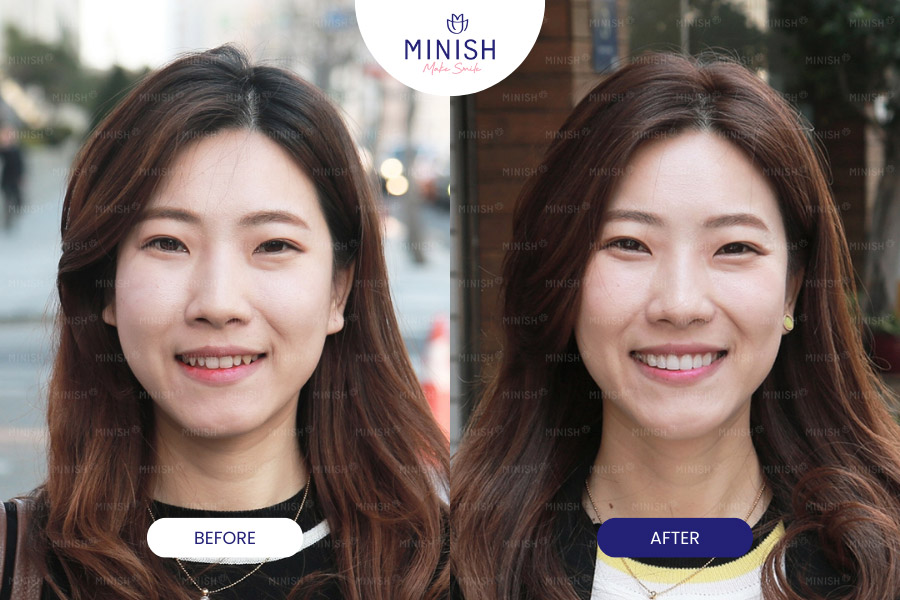
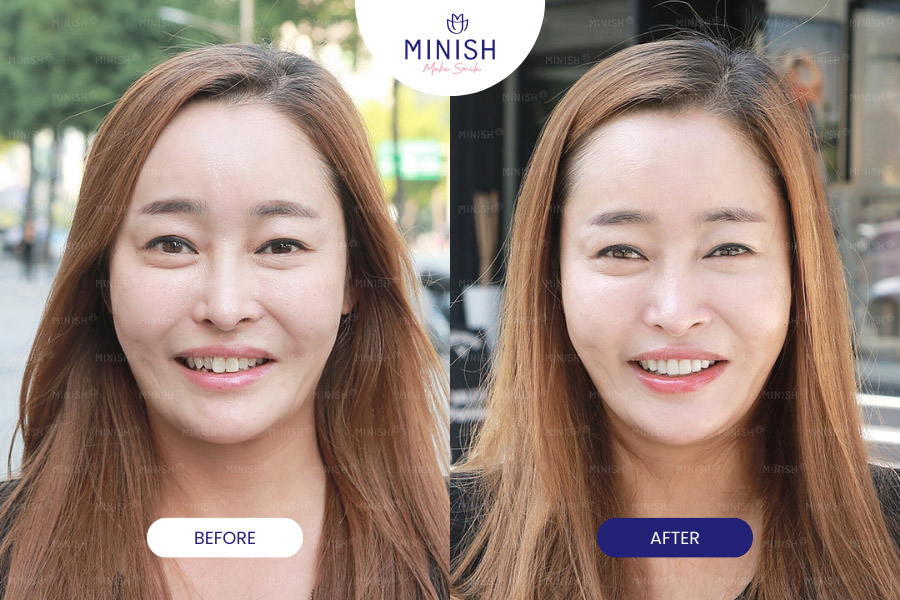
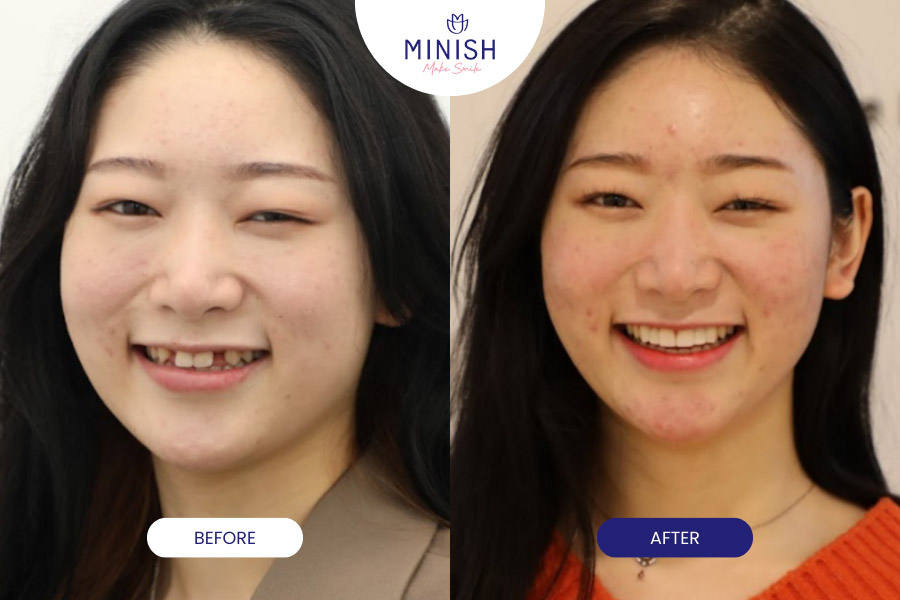
MINISH hat seit 2009 Daten aus rund 160.000 klinischen Fällen gesammelt und wurde von vielen öffentlichen Persönlichkeiten und Fachleuten gewählt – was sowohl die technischen Anforderungen als auch das Vertrauen in die Ergebnisse widerspiegelt.
Planung Ihres Besuchs: Was wir Ihnen vor der Reise empfehlen
Wenn Sie für MINISH oder eine Veneer-Behandlung nach Korea reisen, empfehlen wir Ihnen, Folgendes vorzubereiten:
- Eine Liste Ihrer Ziele (hellere Zähne, Lücken schließen, Absplitterungen reparieren, Bisskomfort)
- Fotos Ihres aktuellen Lächelns und des gewünschten Stils
- Ihre zahnmedizinische Vorgeschichte (Kronen, Wurzelbehandlungen, Kieferorthopädie)
- Einen Zeitplan für Ihren Aufenthalt (manche Optionen sind auch in einem beschleunigten Zeitrahmen möglich)
Wir helfen Ihnen, eine Option zu finden, die zu Ihren Zähnen, Ihrem Biss und Ihrer langfristigen Gesundheit passt – statt eines kosmetischen Einheitsansatzes.
Hinweis: Dieser Artikel wurde aus dem Originalartikel mit Zustimmung der Autorin bzw. des Autors übersetzt und veröffentlicht.
Kontakt
Starten Sie noch heute den Weg zu Ihrem neuen Lächeln
Kontaktieren Sie uns, wenn Sie in Korea englischsprachige Zahnärztinnen und Zahnärzte suchen. Wir haben auch deutschsprachige Dolmetscherinnen für Sie. Wir werden täglich von lokalen und internationalen Patientinnen und Patienten kontaktiert, die in verschiedenen Ländern und Zeitzonen arbeiten.